The prizes recognise work developed over years or decades. Start with the idea, then meet the people behind it.
01
Physiology or Medicine
How the immune system learns restraint
Mary E. Brunkow
Fred Ramsdell
Shimon Sakaguchi
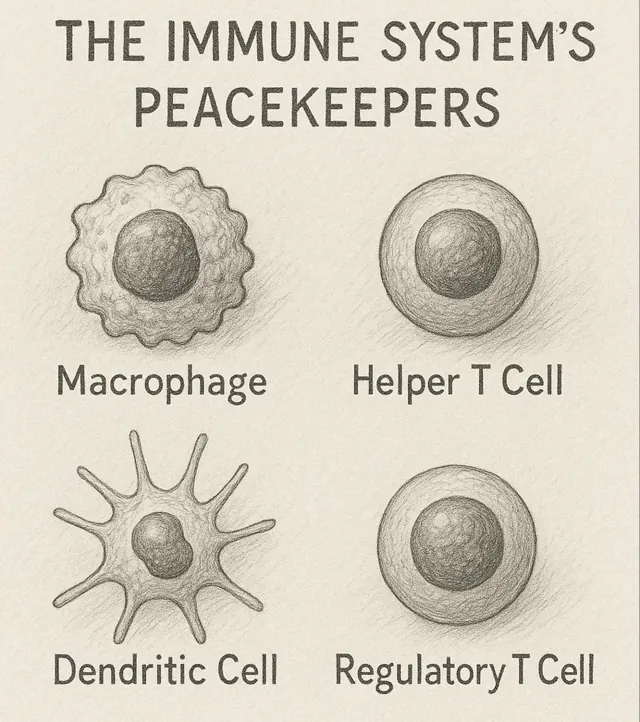
Discoveries about peripheral immune tolerance explain how the body avoids attacking its own tissues.
Understand the contribution
An immune system must recognise threats without treating every cell as an enemy. Sakaguchi identified regulatory T cells; Brunkow and Ramsdell linked the Foxp3 gene to their development and function. Together, this work revealed a mechanism that keeps immune responses under control.
Why it matters
The discoveries provide a foundation for research into autoimmune disease, cancer treatment and transplantation. A prize-winning discovery is a starting point for applications, not a promise that every treatment is ready.
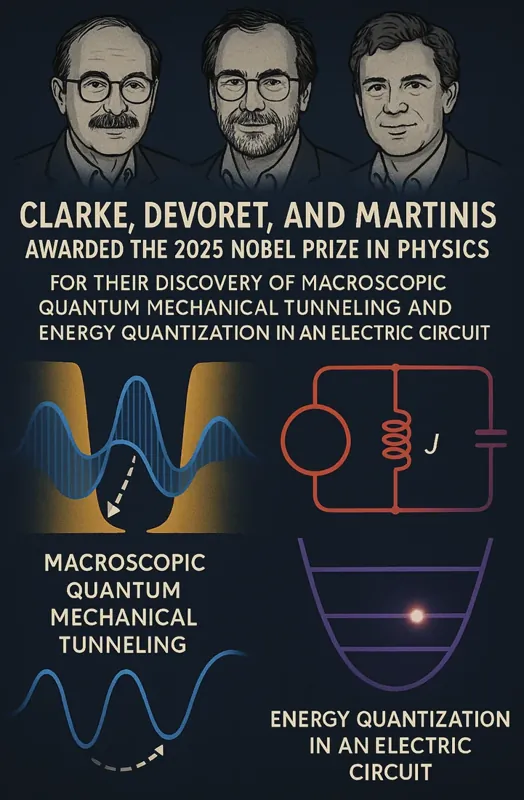
An electrical circuit revealed quantum tunnelling and discrete energy levels on a macroscopic scale.
Understand the contribution
Quantum mechanics is usually introduced through atoms and particles. Experiments with superconducting circuits showed that a collective electrical system could also tunnel through an energy barrier and occupy quantised energy states.
Why it matters
The work helped establish superconducting circuits as a platform for studying and controlling quantum systems. It forms part of the scientific foundation of today's quantum technologies.
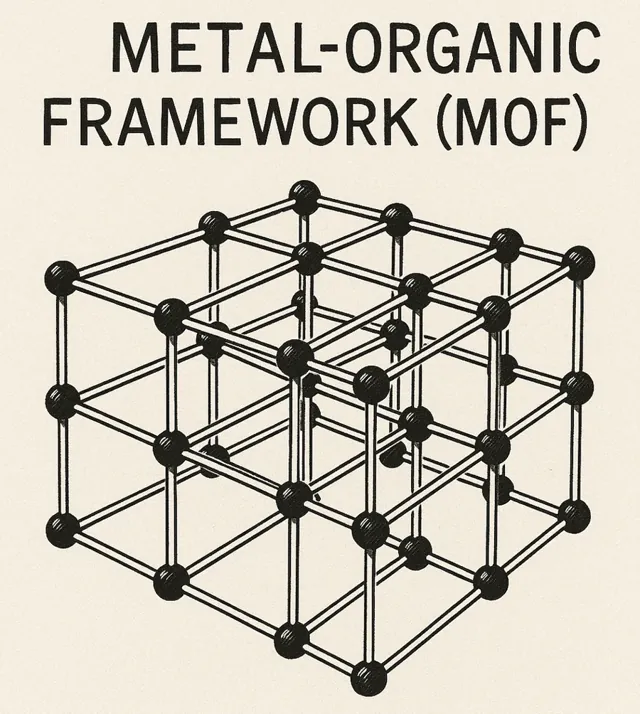
Metal–organic frameworks create molecular structures with pores that can hold and separate other substances.
Understand the contribution
Metal ions and organic molecules can be joined into repeating frameworks. The spaces inside are part of the design: chemists can change their size and properties to create materials for different tasks.
Why it matters
Researchers are exploring these frameworks for water harvesting, gas storage, carbon capture and catalysis. Their usefulness depends on the material and the conditions in which it operates.
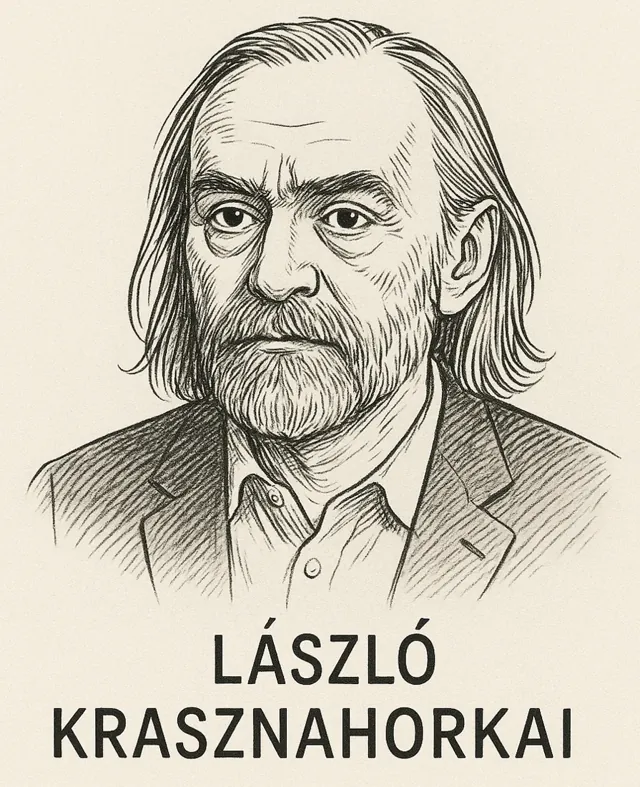
The Hungarian writer was recognised for a visionary body of work that sustains the power of art amid apocalyptic terror.
Understand the contribution
Krasznahorkai's fiction often follows people facing disorder, uncertainty and collapse. Long, unfolding sentences turn the act of reading into an encounter with their troubled worlds.
Why it matters
The award recognises a body of literary work. It invites readers to consider how artistic form can make human experience visible without resolving its tensions.
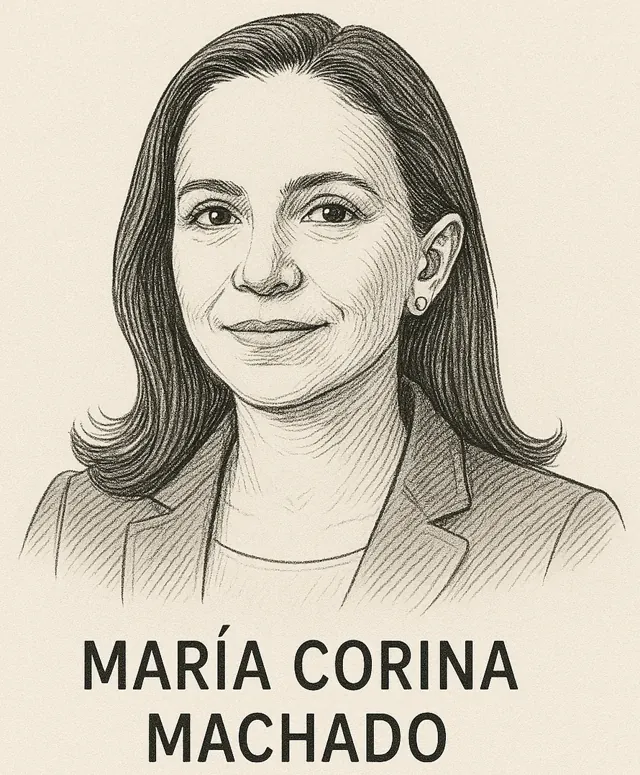
Machado was recognised for promoting democratic rights in Venezuela and working towards a peaceful democratic transition.
Understand the contribution
The Norwegian Nobel Committee honoured her efforts to advance democratic rights and a just, peaceful transition from dictatorship to democracy in Venezuela.
Why it matters
The citation recognises work towards an outcome. It does not establish that a democratic transition has already been achieved.
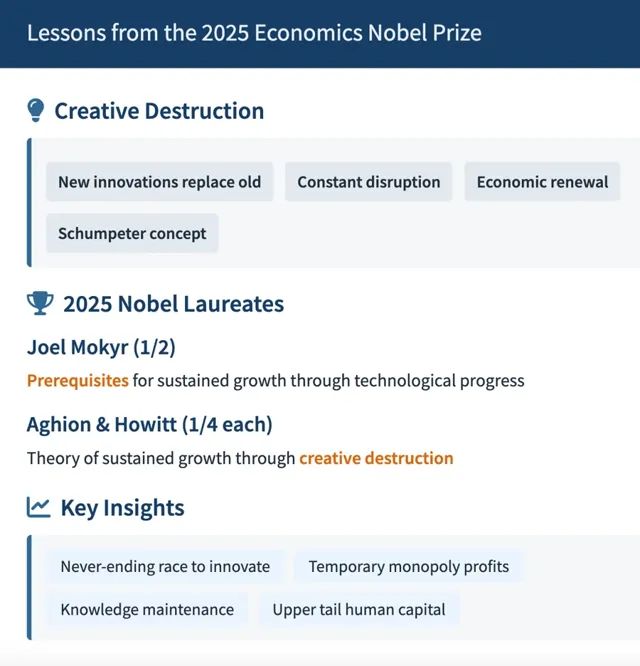
Historical research and economic theory explain how technological progress can generate sustained economic growth.
Understand the contribution
Mokyr examined the conditions that allow useful knowledge and technological progress to reinforce each other. Aghion and Howitt developed a theory of growth through creative destruction, in which innovations replace older products and methods.
Why it matters
Innovation creates gains and disruption. Understanding both helps explain why societies must support new ideas while managing the conflicts that accompany economic change.
Award facts checked against NobelPrize.org. Explanations are Lexicon Labs editorial summaries. Economic Sciences is the Sveriges Riksbank Prize in Economic Sciences in Memory of Alfred Nobel.
The Lexicon Labs annual series
Keep the discoveries on your bookshelf.
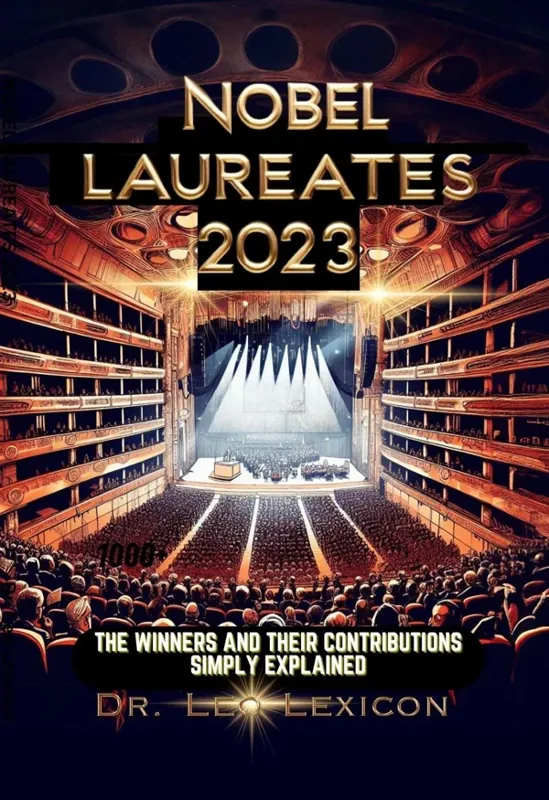
The Winners and their Contributions Simply Explained By Dr. Leo Lexicon
We will introduce the 2026 laureates after the official announcements. The forthcoming annual by Dr. Leo Lexicon will explore their lives and ideas. Sign up to our newsletter to get updates on the release.