Assigned Entries
368
AI encyclopedia entries tagged with this learning stage.

AI Learning Stage
Build core mental models before diving into specialized systems.
Assigned Entries
AI encyclopedia entries tagged with this learning stage.
Recommended Starts
Curated starting entries defined in the learning path metadata.
Understand the language of AI and the historical arc behind modern systems.
The current dataset assigns 368 entries to Stage 1: Foundations. The recommended entries below provide a narrower starting point if you want a manageable subset.
An abacus is an ancient manual calculating tool composed of a frame with rods and beads. Users slide the beads to perform arithmetic operations like addition, subtraction, multiplication, and division, predating electronic calculators.
A mechanical calculator is a device that performs arithmetic operations like addition, subtraction, multiplication, and division using gears, levers, and other physical components, without electricity.
The Difference Engine was a 19th-century mechanical calculator designed by Charles Babbage to automatically compute and print mathematical tables, particularly polynomial functions, without human error.
The Analytical Engine, conceived by Charles Babbage in the 1830s, was a mechanical general-purpose computer design. It featured an arithmetic logic unit, control flow, and memory, making it a foundational blueprint for modern computers, though.
Ada Lovelace, a mathematician, collaborated with Charles Babbage on the Analytical Engine. She wrote the first algorithm intended for a machine, demonstrating its potential beyond calculations, making her the world's first computer programmer.
Boolean Algebra, developed by George Boole, is a mathematical system for analyzing logical statements using variables that can only be true (1) or false (0). It employs operations like AND, OR, and NOT.
Formal Logic is the study of reasoning and arguments using symbolic systems to represent propositions and infer conclusions. It focuses on the structure of arguments, not their content, ensuring validity through rules.
A Turing Machine is a theoretical model of computation, conceived by Alan Turing. It describes an abstract machine that manipulates symbols on an infinite tape according to a set of rules, defining the limits of.
Alan Turing was a brilliant British mathematician and computer scientist. He is considered the father of theoretical computer science and artificial intelligence, crucial for cracking the Enigma code during WWII and proposing the universal Turing.
The Church-Turing Thesis states that any function computable by an algorithm using any method can also be computed by a theoretical model called a Turing machine. It connects human intuition of computability to a formal.
The Enigma Machine was a portable electro-mechanical rotor cipher machine used primarily by Nazi Germany during World War II to encrypt and decrypt secret messages. Its complex design made breaking its codes extremely difficult.
The Colossus Computer was a series of electronic digital computers developed in Britain during World War II. It was used to decipher encrypted German messages, significantly aiding Allied intelligence efforts.
AI Hub
This hub connects the main AI learning surfaces on Lexicon Labs into one path: the encyclopedia preview, student-friendly books, themed bundles, and the tools that help readers turn concepts into working understanding.
Open GuidePaperback Hub
This page groups together Lexicon Labs paperback titles that help younger readers understand artificial intelligence, computation, and the people behind modern computing.
Open GuideTurn messy notes into study-ready flashcards and CSV exports for spaced repetition apps.
Open ToolTransform notes into visual diagrams and export them for sharing or studying.
Open ToolCreate citations for papers fast with APA/MLA formatting and copy-ready output.
Open ToolAnalyze clarity in essays, emails, and articles with readability scores and instant issue flags.
Open Tool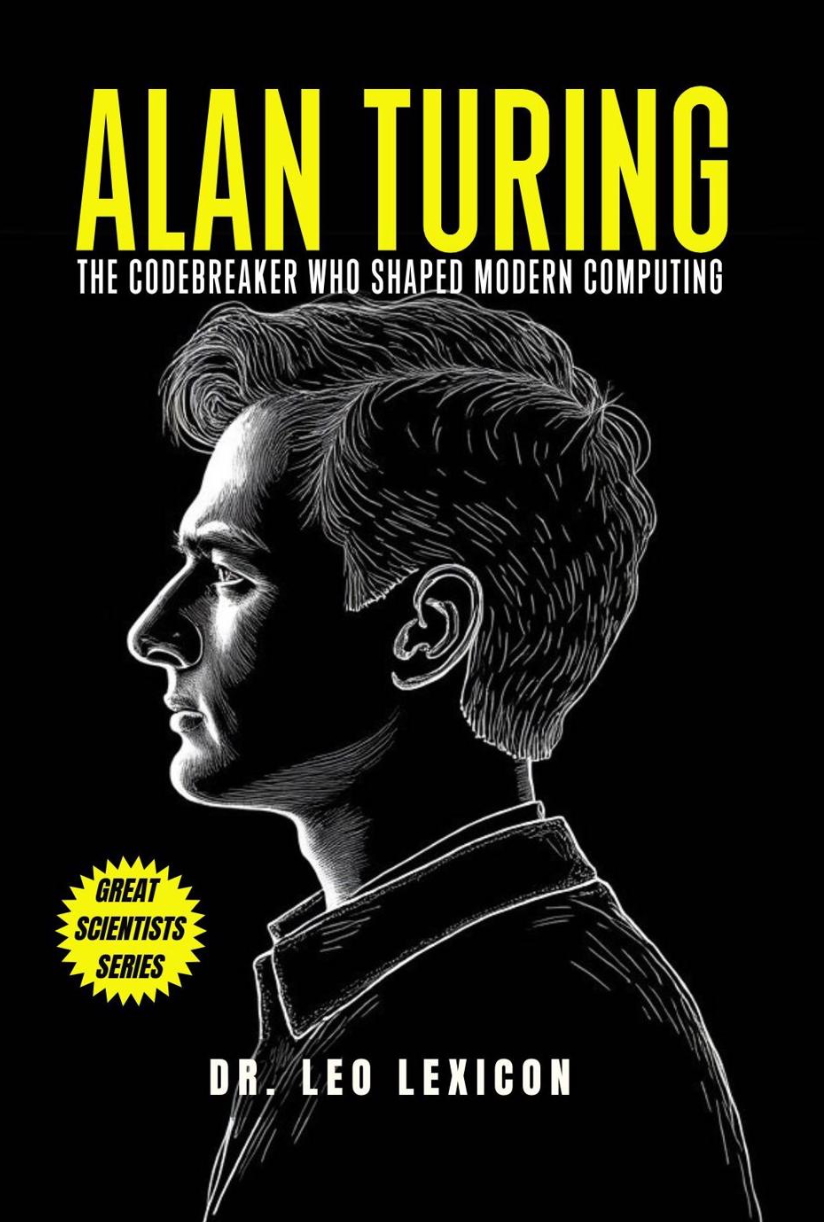
A biography of Alan Turing, the trailblazing mathematician and codebreaker whose ideas shaped modern computing and artificial intelligence.
View Paperback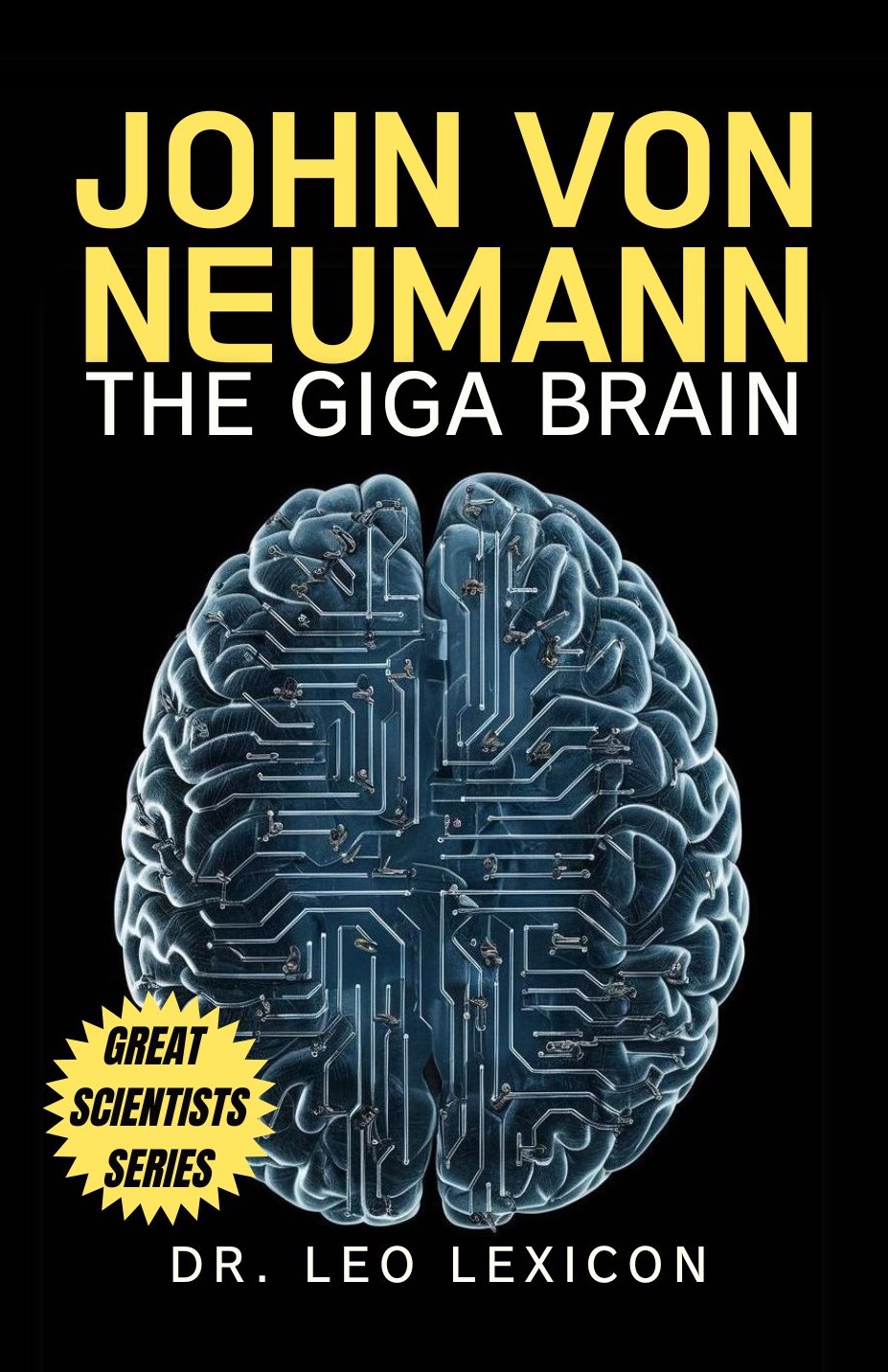
Discover the ideas and influence of one of the most brilliant minds behind computing, game theory, and modern science.
View Paperback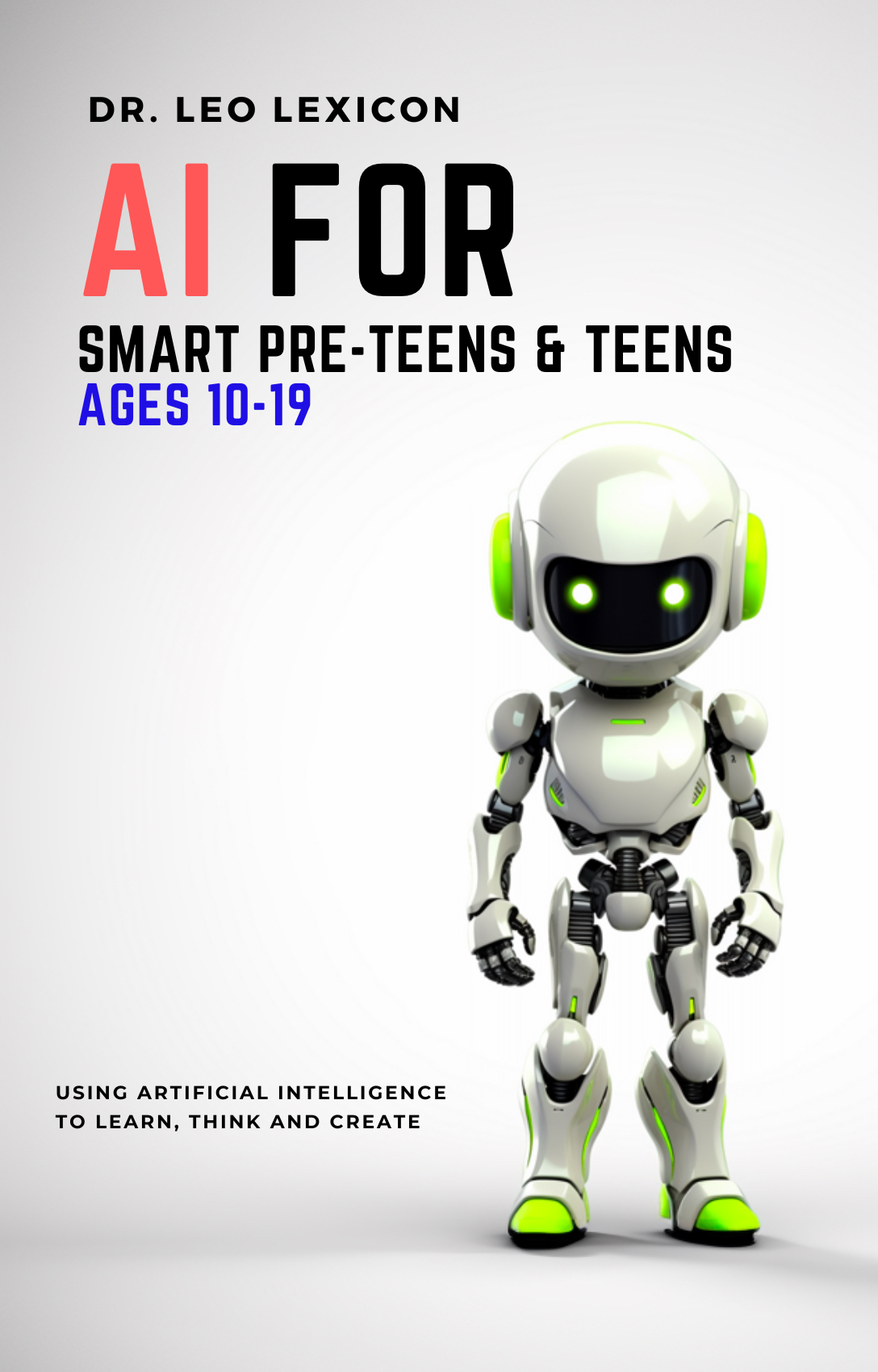
A student-friendly intro to AI concepts, real-world use cases, and practical skills for the next generation.
View Paperback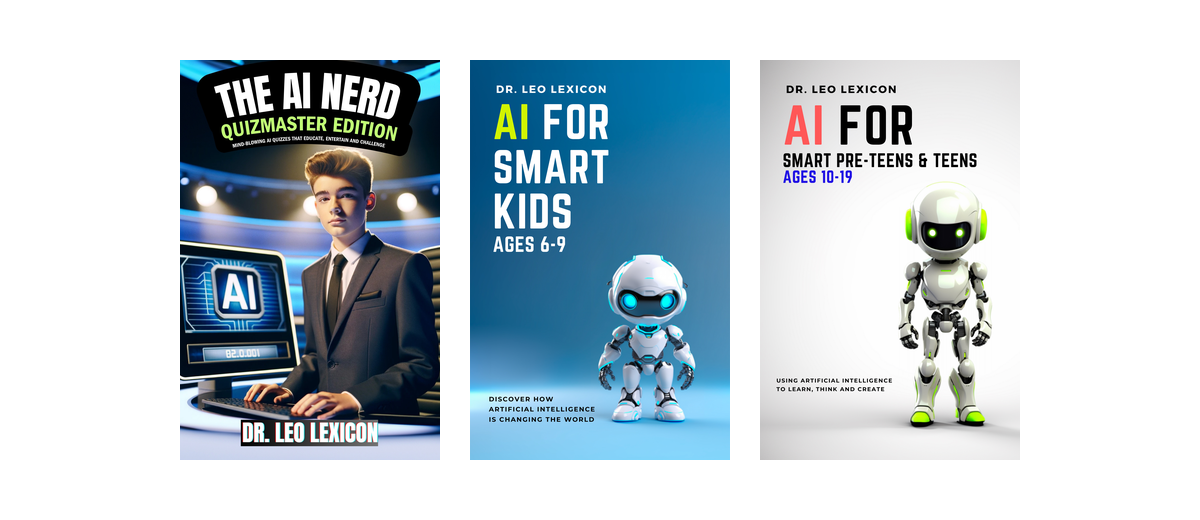
Books that explain artificial intelligence clearly for young and curious readers.
View Bundle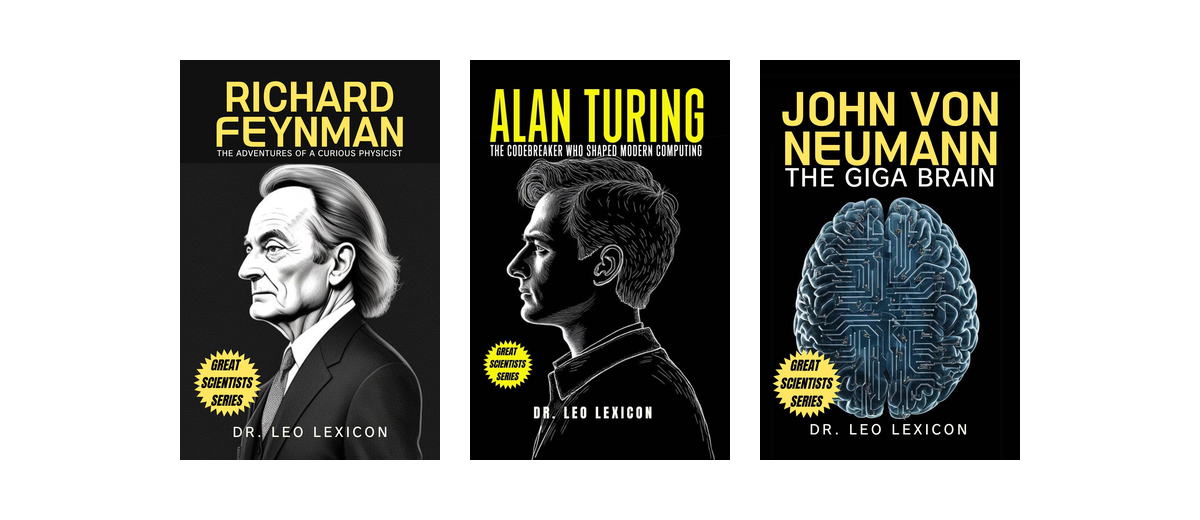
Modern scientific minds who shaped computing and physics.
View Bundle