Entries
106
Lexicon entries typed as person.

AI Entry Type
This page groups the person entries from the Lexicon Labs AI encyclopedia into one indexable landing page.
Entries
Lexicon entries typed as person.
Top Categories
Topic areas where this entry type appears most often.
The current lexicon contains 106 entries of type person. This makes the page useful as a quick orientation layer for readers who want one kind of AI object rather than one subject area.
The category breakdown below shows where this entry type appears most often across the broader AI taxonomy.
31 person entries in this category.
27 person entries in this category.
20 person entries in this category.
6 person entries in this category.
6 person entries in this category.
Ada Lovelace, a mathematician, collaborated with Charles Babbage on the Analytical Engine. She wrote the first algorithm intended for a machine, demonstrating its potential beyond calculations, making her the world's first computer programmer.
Alan Turing was a brilliant British mathematician and computer scientist. He is considered the father of theoretical computer science and artificial intelligence, crucial for cracking the Enigma code during WWII and proposing the universal Turing.
John von Neumann was a brilliant Hungarian-American mathematician and physicist. He made fundamental contributions to quantum mechanics, game theory, and the development of the first programmable electronic computers, notably the Von Neumann Architecture.
Cybernetics, coined by Norbert Wiener, is the interdisciplinary study of control and communication systems in living organisms, machines, and organizations. It explores how feedback loops enable systems to regulate themselves and achieve goals.
Claude Shannon was an American mathematician and engineer, often called the "father of information theory." His work showed how all information could be represented by bits, laying the foundation for modern digital communication and computing.
John McCarthy, an American computer scientist, coined "Artificial Intelligence" in 1955. He organized the pivotal 1956 Dartmouth Workshop and developed LISP, a foundational programming language for AI research.
Marvin Minsky was a pioneering American computer scientist and cognitive scientist, often called a "father of artificial intelligence." He co-founded the MIT AI Lab and made fundamental contributions to neural networks and robotics.
Herbert Simon was a Nobel Prize-winning polymath and a founding father of artificial intelligence and cognitive psychology. He developed the concept of "bounded rationality," explaining how people make decisions with limited information and time.
Allen Newell was a pioneering computer scientist and cognitive psychologist. He co-created early artificial intelligence programs like Logic Theorist and GPS with Herbert Simon. His work significantly advanced our understanding of human problem-solving and symbolic.
Marvin Minsky's Frames are data structures representing stereotyped situations or objects. They contain "slots" for attributes with default values and procedures, helping AI systems understand and predict common scenarios.
Roger Schank's Scripts are structured representations of typical event sequences in specific situations, like eating at a restaurant. They help AI systems understand and predict human actions by providing a framework of expected steps.
SHRDLU was an early artificial intelligence program developed by Terry Winograd in 1971. It could understand and respond to natural language commands within a simulated "blocks world," demonstrating groundbreaking capabilities in language processing and problem-solving.
AI Hub
This hub connects the main AI learning surfaces on Lexicon Labs into one path: the encyclopedia preview, student-friendly books, themed bundles, and the tools that help readers turn concepts into working understanding.
Open GuidePaperback Hub
This page groups together Lexicon Labs paperback titles that help younger readers understand artificial intelligence, computation, and the people behind modern computing.
Open GuideTurn messy notes into study-ready flashcards and CSV exports for spaced repetition apps.
Open ToolTransform notes into visual diagrams and export them for sharing or studying.
Open ToolCreate citations for papers fast with APA/MLA formatting and copy-ready output.
Open ToolAnalyze clarity in essays, emails, and articles with readability scores and instant issue flags.
Open Tool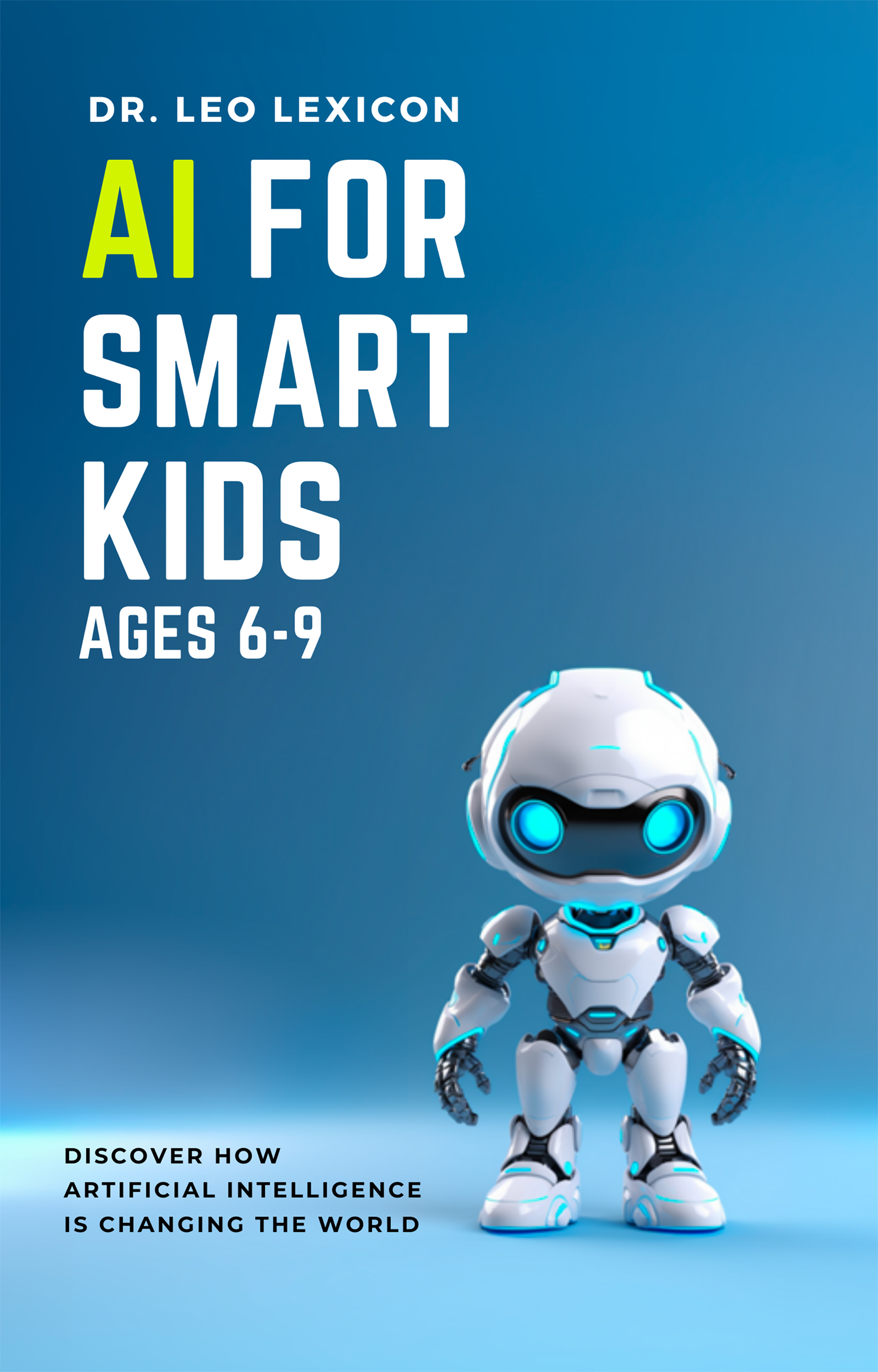
A clear and engaging guide to artificial intelligence for younger readers who are curious about how smart systems work.
View Paperback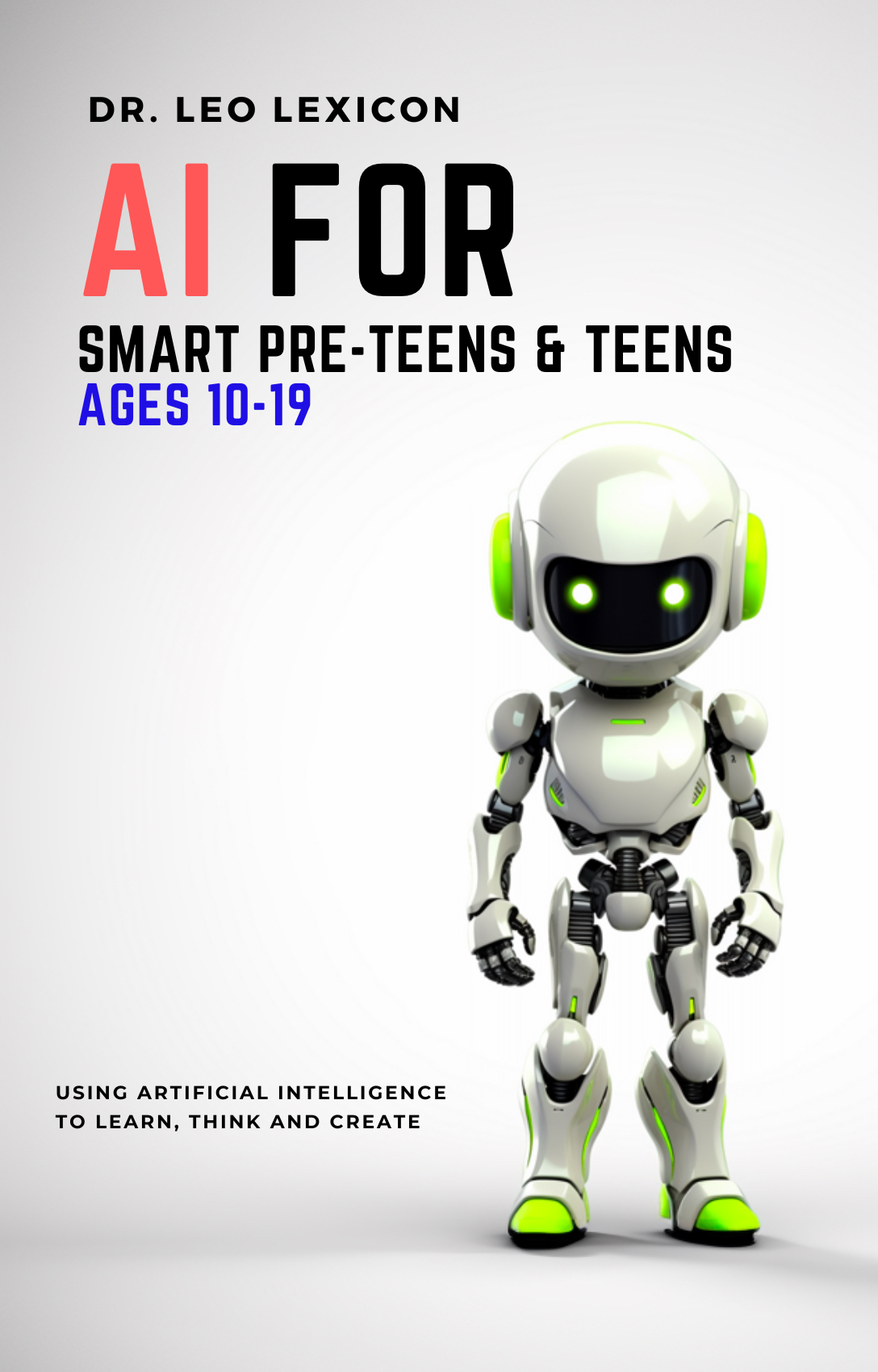
A student-friendly intro to AI concepts, real-world use cases, and practical skills for the next generation.
View Paperback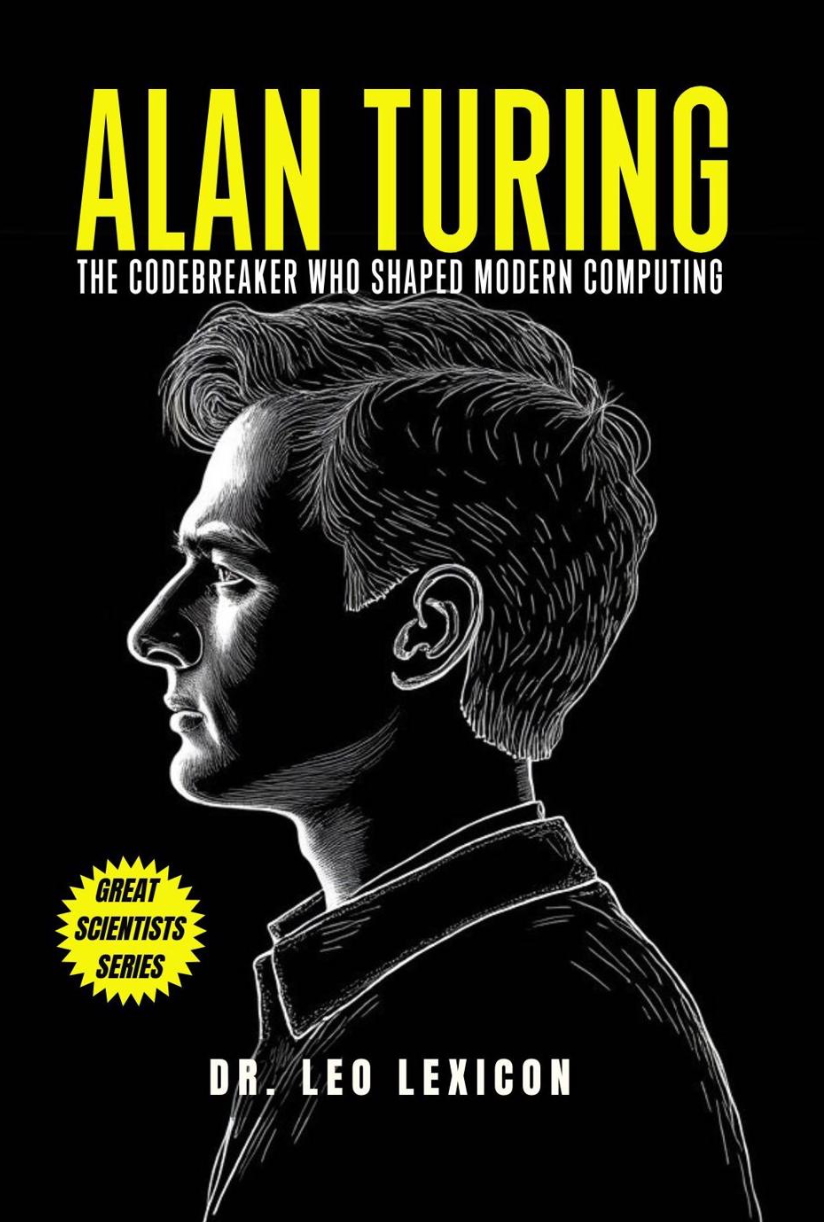
A biography of Alan Turing, the trailblazing mathematician and codebreaker whose ideas shaped modern computing and artificial intelligence.
View Paperback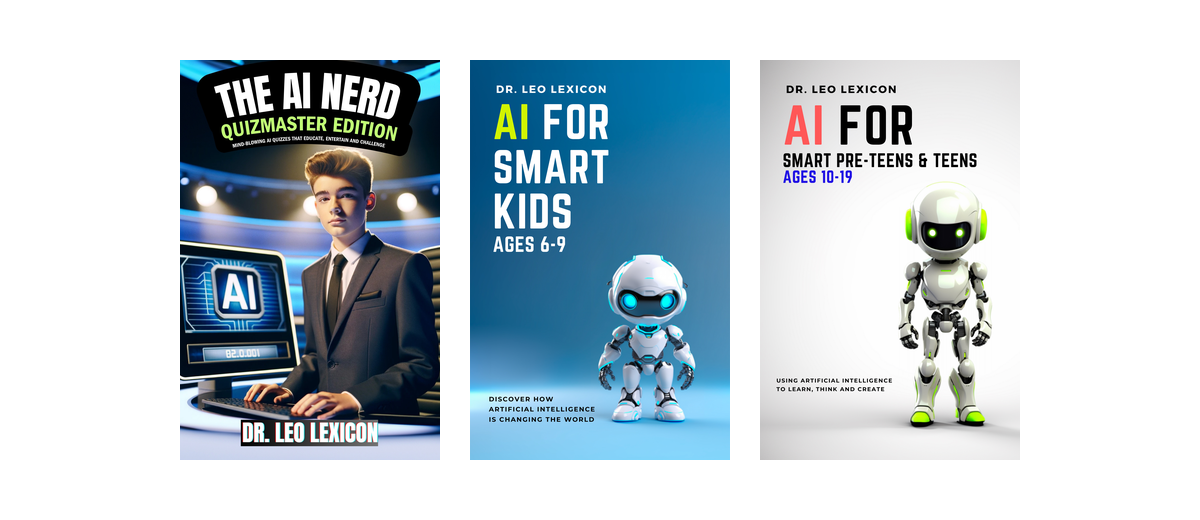
Books that explain artificial intelligence clearly for young and curious readers.
View Bundle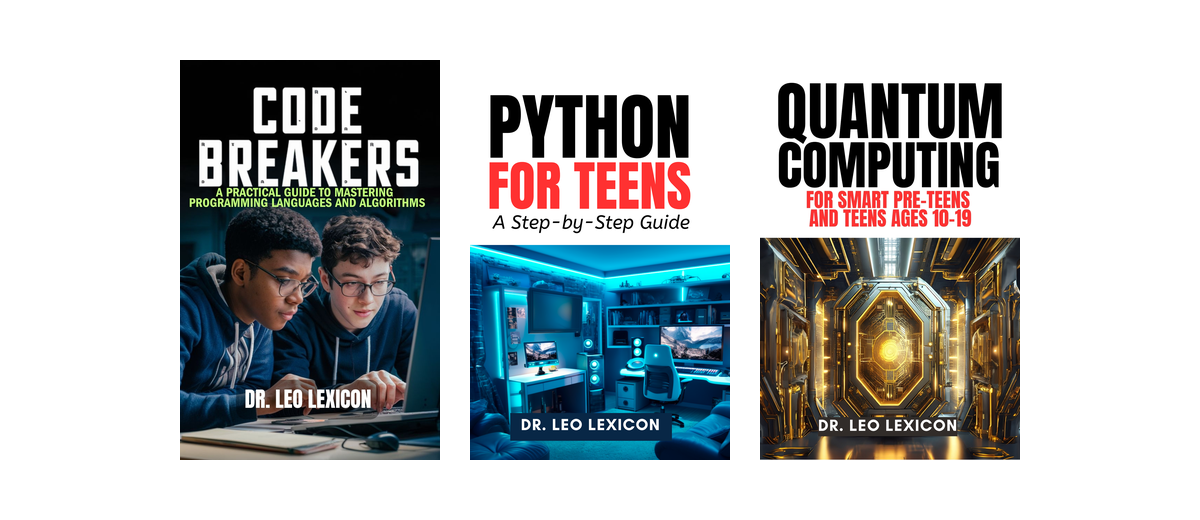
A practical introduction to coding concepts for young learners and beginners.
View Bundle