Entries
177
Lexicon entries typed as model.

AI Entry Type
This page groups the model entries from the Lexicon Labs AI encyclopedia into one indexable landing page.
Entries
Lexicon entries typed as model.
Top Categories
Topic areas where this entry type appears most often.
The current lexicon contains 177 entries of type model. This makes the page useful as a quick orientation layer for readers who want one kind of AI object rather than one subject area.
The category breakdown below shows where this entry type appears most often across the broader AI taxonomy.
57 model entries in this category.
34 model entries in this category.
24 model entries in this category.
17 model entries in this category.
13 model entries in this category.
Probabilistic Graphical Models (PGMs) are frameworks that use graphs to represent probabilistic relationships between variables. They visually depict dependencies and independencies, enabling efficient computation and inference in complex systems involving uncertainty.
Hidden Markov Models (HMMs) are statistical models that describe systems with unobservable "hidden" states and observable events. They infer the most likely sequence of hidden states from a sequence of observations.
Gaussian Mixture Models are probabilistic models assuming data points arise from a combination of multiple Gaussian distributions. They estimate the parameters of these underlying distributions to cluster data, often employing the Expectation-Maximization algorithm for fitting.
LIME (Local Interpretable Model-agnostic Explanations) explains individual predictions of any complex AI model. It approximates local behavior with a simpler, interpretable model to show why a specific decision was made.
Hidden Markov Models (HMMs) for Part-of-Speech (POS) tagging are probabilistic sequence models that predict the most likely sequence of hidden POS tags given a sequence of observed words, inferring linguistic categories.
Language modeling is the task of assigning a probability to a sequence of words, or predicting the next word in a sequence given the preceding words. It's fundamental for understanding and generating human language.
IBM Models are a series of five statistical models (Model 1-5) developed in the 1990s for machine translation. They established foundational concepts for word alignment and translation probability, crucial for early statistical machine translation systems.
Character-Level Models process text by analyzing individual characters to build representations of words and sentences. This approach helps handle misspellings, rare words, and morphological variations, making them robust in various NLP tasks.
ELMo (Embeddings from Language Models) is a neural network model from AI2 that generates contextualized word embeddings. It represents words differently based on their sentence context, enhancing performance across various natural language processing tasks.
GPT (Generative Pre-trained Transformer) is a powerful large language model developed by OpenAI. It utilizes a transformer architecture, pre-trained on massive text datasets, to generate human-like text and perform various Natural Language Processing tasks.
GPT-2 is an early transformer-based large language model developed by OpenAI in 2019. It demonstrated unprecedented ability to generate human-like text across various topics, marking a significant leap in NLP.
GPT-3 (Generative Pre-trained Transformer 3) is an advanced large language model developed by OpenAI. It uses deep learning to generate human-like text, translate languages, and answer questions across various domains.
AI Hub
This hub connects the main AI learning surfaces on Lexicon Labs into one path: the encyclopedia preview, student-friendly books, themed bundles, and the tools that help readers turn concepts into working understanding.
Open GuidePaperback Hub
This page groups together Lexicon Labs paperback titles that help younger readers understand artificial intelligence, computation, and the people behind modern computing.
Open GuideTurn messy notes into study-ready flashcards and CSV exports for spaced repetition apps.
Open ToolTransform notes into visual diagrams and export them for sharing or studying.
Open ToolCreate citations for papers fast with APA/MLA formatting and copy-ready output.
Open ToolAnalyze clarity in essays, emails, and articles with readability scores and instant issue flags.
Open Tool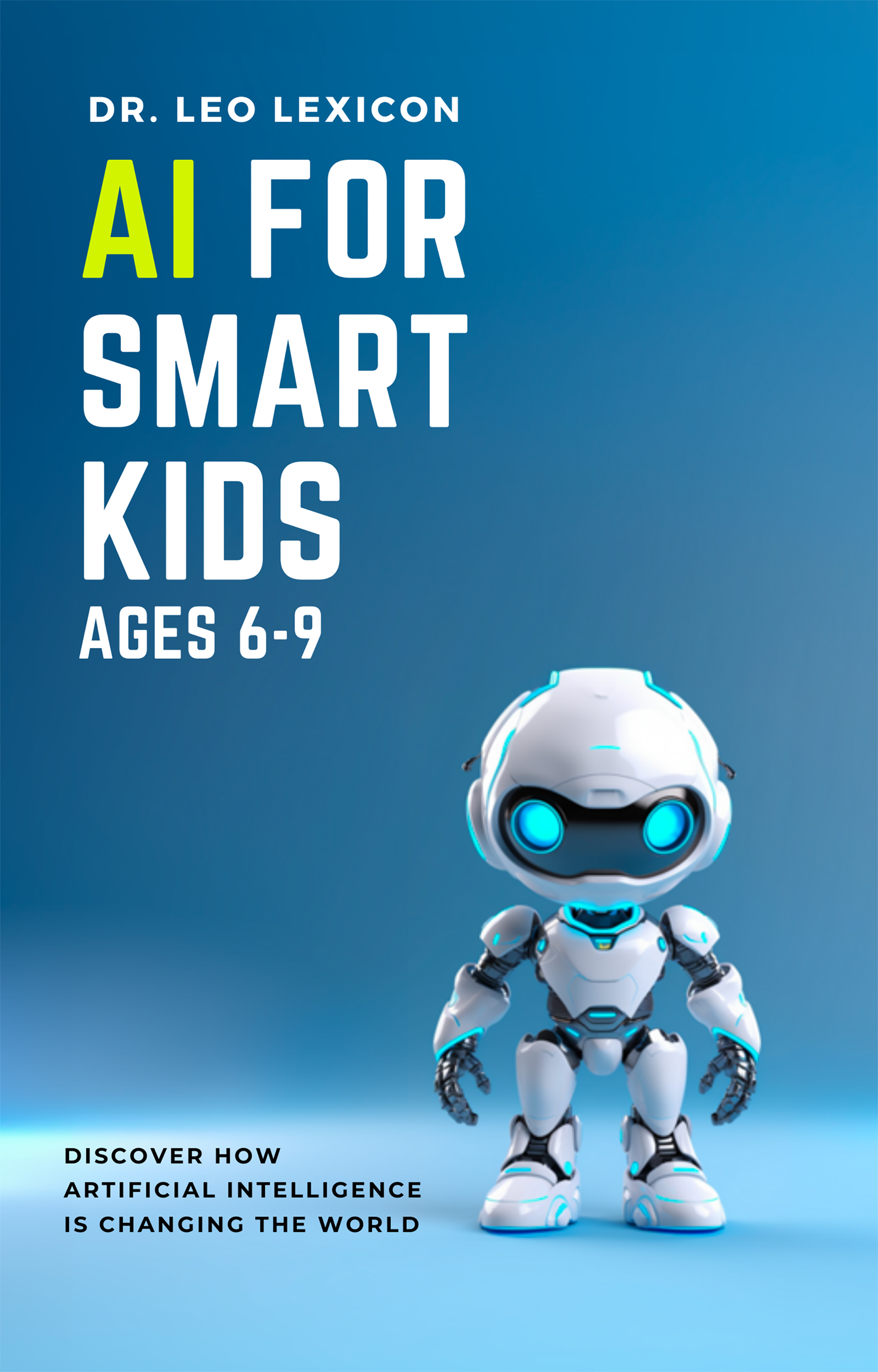
A clear and engaging guide to artificial intelligence for younger readers who are curious about how smart systems work.
View Paperback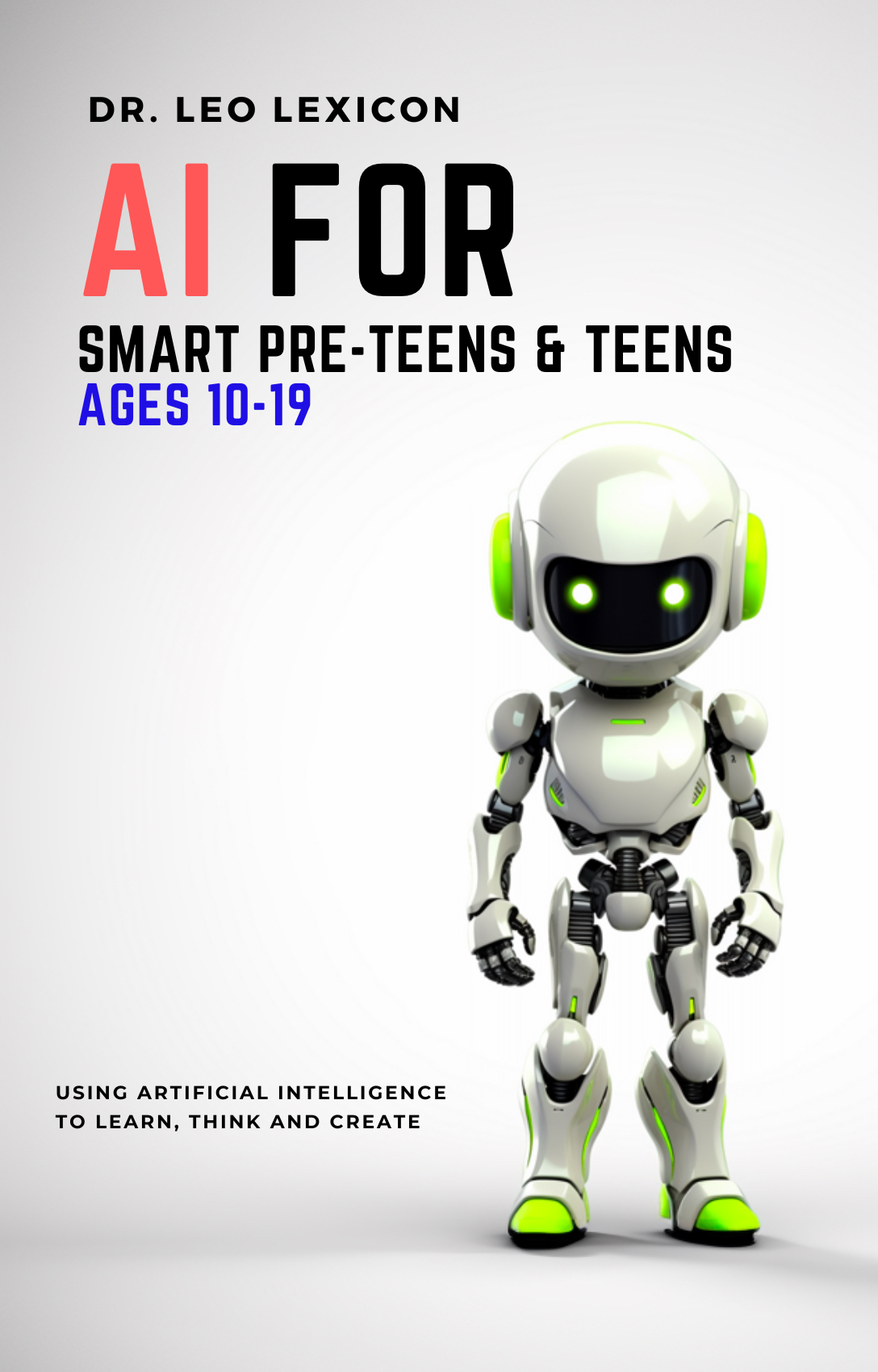
A student-friendly intro to AI concepts, real-world use cases, and practical skills for the next generation.
View Paperback
A biography of Alan Turing, the trailblazing mathematician and codebreaker whose ideas shaped modern computing and artificial intelligence.
View Paperback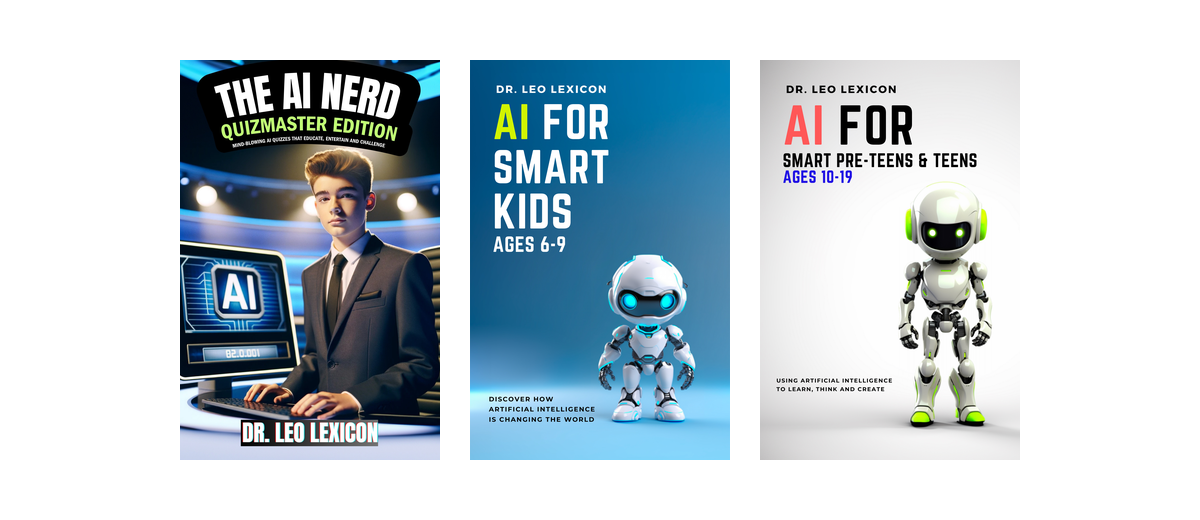
Books that explain artificial intelligence clearly for young and curious readers.
View Bundle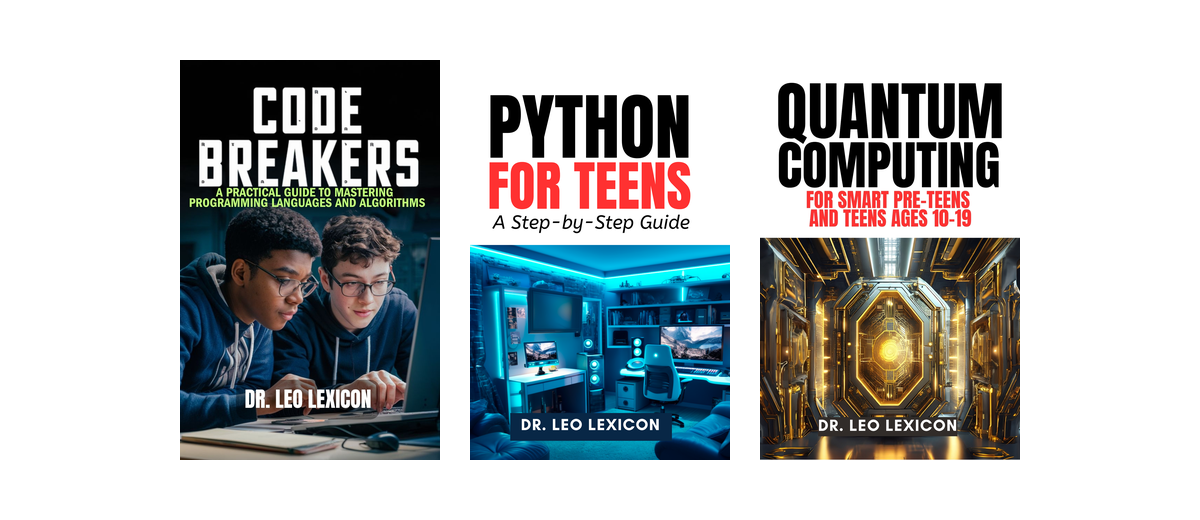
A practical introduction to coding concepts for young learners and beginners.
View Bundle