Entries
150
AI lexicon entries currently assigned to this category.

AI Topic Category
This page maps the NVIDIA Hardware and Ecosystem portion of the Lexicon Labs AI encyclopedia. It brings together the main concepts in this category, the tracks that organize them, and the related books and guides that make the topic easier to study.
Entries
AI lexicon entries currently assigned to this category.
Tracks
Taxonomy tracks that sit inside this category.
Top Entry Types
The most common entry types appearing in this topic cluster.
NVIDIA Hardware and Ecosystem is one of the active taxonomy categories in the Lexicon Labs AI encyclopedia. The current dataset includes 150 entries in this area, which makes it large enough to function as a real discovery surface rather than a placeholder page.
Use the sample entries as a fast orientation layer, then move into the AI encyclopedia preview or the related paperbacks and bundles if you want a longer learning path.
Track in NVIDIA Hardware and Ecosystem.
Track in NVIDIA Hardware and Ecosystem.
Track in NVIDIA Hardware and Ecosystem.
Track in NVIDIA Hardware and Ecosystem.
Tesla Architecture was NVIDIA's first unified shader model GPU architecture, introduced in 2006. It significantly advanced parallel processing capabilities, laying groundwork for modern GPU computing beyond graphics.
Fermi Architecture is an NVIDIA GPU design from 2010, unifying graphics and compute cores. It significantly advanced parallel processing for general-purpose computing, laying groundwork for modern GPU capabilities.
Kepler Architecture is an NVIDIA GPU microarchitecture released in 2012, designed for improved power efficiency and performance. It introduced the SMX streaming multiprocessor and GPU Boost technology, powering GeForce 600/700 series and Tesla K-series cards.
Maxwell Architecture is an NVIDIA GPU microarchitecture introduced in 2014, known for its significant improvements in power efficiency and performance per watt compared to its predecessors. It powered GeForce GTX 750 Ti and GTX 900.
Pascal Architecture is an NVIDIA GPU microarchitecture launched in 2016, succeeding Maxwell. It featured 16nm FinFET process technology and introduced HBM2 memory for high-end models, significantly boosting performance and efficiency.
Volta Architecture is an NVIDIA GPU design from 2017, notable for introducing Tensor Cores. These specialized processing units significantly accelerated deep learning and AI workloads, making it a foundational architecture for modern AI computing.
Turing Architecture is an NVIDIA GPU design introduced in 2018, featuring dedicated RT Cores for real-time ray tracing and enhanced Tensor Cores for AI acceleration. It significantly advanced graphics rendering and deep learning capabilities.
Ampere Architecture is an NVIDIA GPU design from 2020, significantly advancing AI and graphics performance. It introduced third-generation Tensor Cores for AI acceleration and second-generation RT Cores for real-time ray tracing.
Hopper Architecture is NVIDIA's GPU microarchitecture, designed for AI, high-performance computing, and data centers. It features the H100 GPU, introducing Transformer Engine and fourth-generation Tensor Cores for massive parallel processing.
Ada Lovelace Architecture is NVIDIA's GPU microarchitecture released in 2022, powering GeForce RTX 40 series graphics cards. It features improved RT Cores, Tensor Cores, and CUDA Cores for enhanced gaming and AI performance.
Blackwell Architecture is NVIDIA's next-generation GPU design, succeeding Ada Lovelace. It integrates powerful processing units, enhanced NVLink, and advanced memory for accelerating AI and high-performance computing, powering chips like the B100.
Rubin Architecture is NVIDIA's anticipated next-generation GPU design, succeeding Blackwell. It will integrate advanced processing cores, faster memory, and enhanced NVLink interconnects to power future AI and high-performance computing workloads.
AI Hub
This hub connects the main AI learning surfaces on Lexicon Labs into one path: the encyclopedia preview, student-friendly books, themed bundles, and the tools that help readers turn concepts into working understanding.
Open GuidePaperback Hub
This page groups together Lexicon Labs paperback titles that help younger readers understand artificial intelligence, computation, and the people behind modern computing.
Open GuideTurn messy notes into study-ready flashcards and CSV exports for spaced repetition apps.
Open ToolTransform notes into visual diagrams and export them for sharing or studying.
Open ToolCreate citations for papers fast with APA/MLA formatting and copy-ready output.
Open ToolAnalyze clarity in essays, emails, and articles with readability scores and instant issue flags.
Open Tool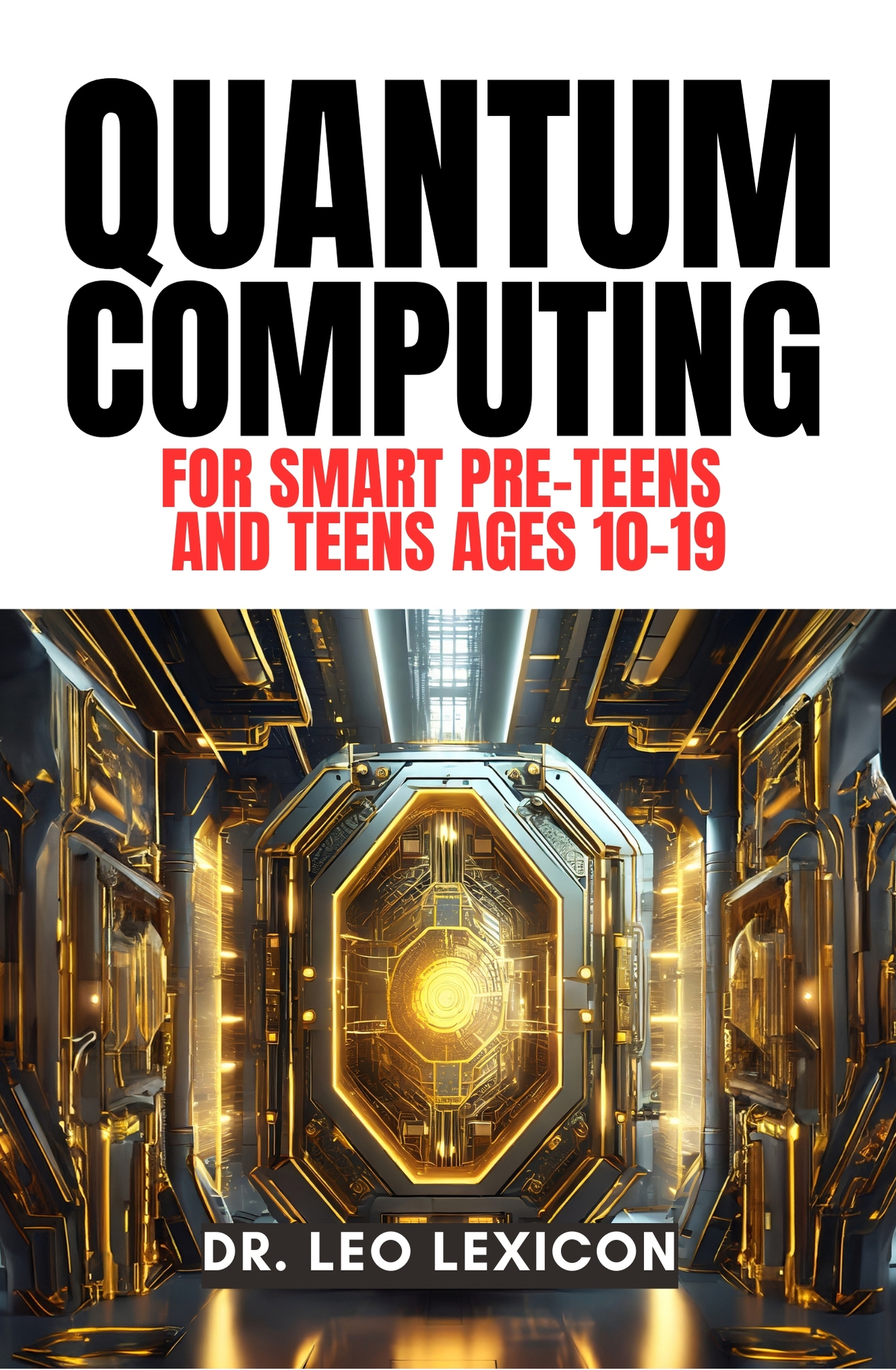
An accessible primer on quantum computing fundamentals, from qubits and superposition to real-world applications.
View Paperback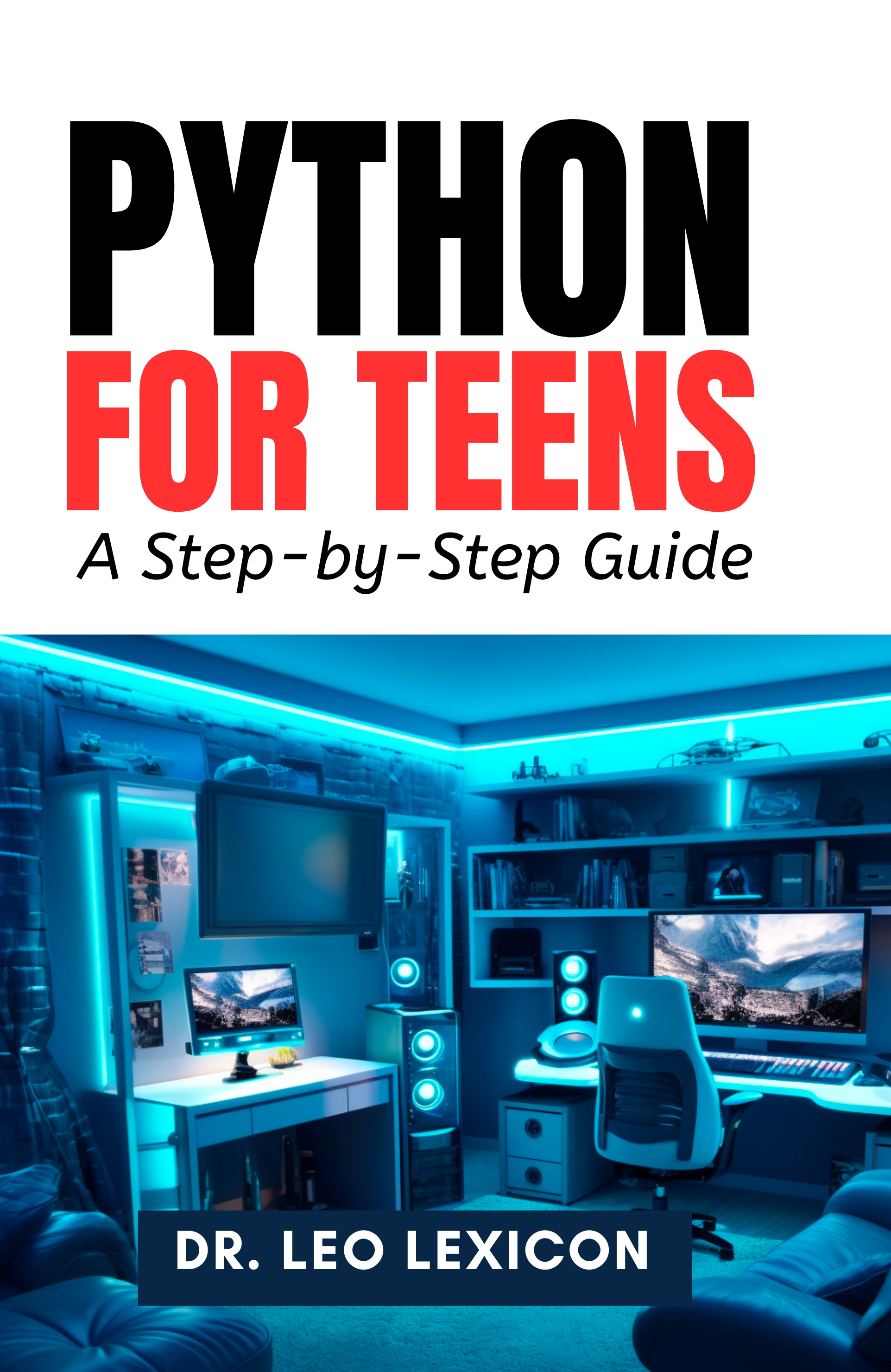
Learn core Python programming with approachable examples designed for teen learners and first-time coders.
View Paperback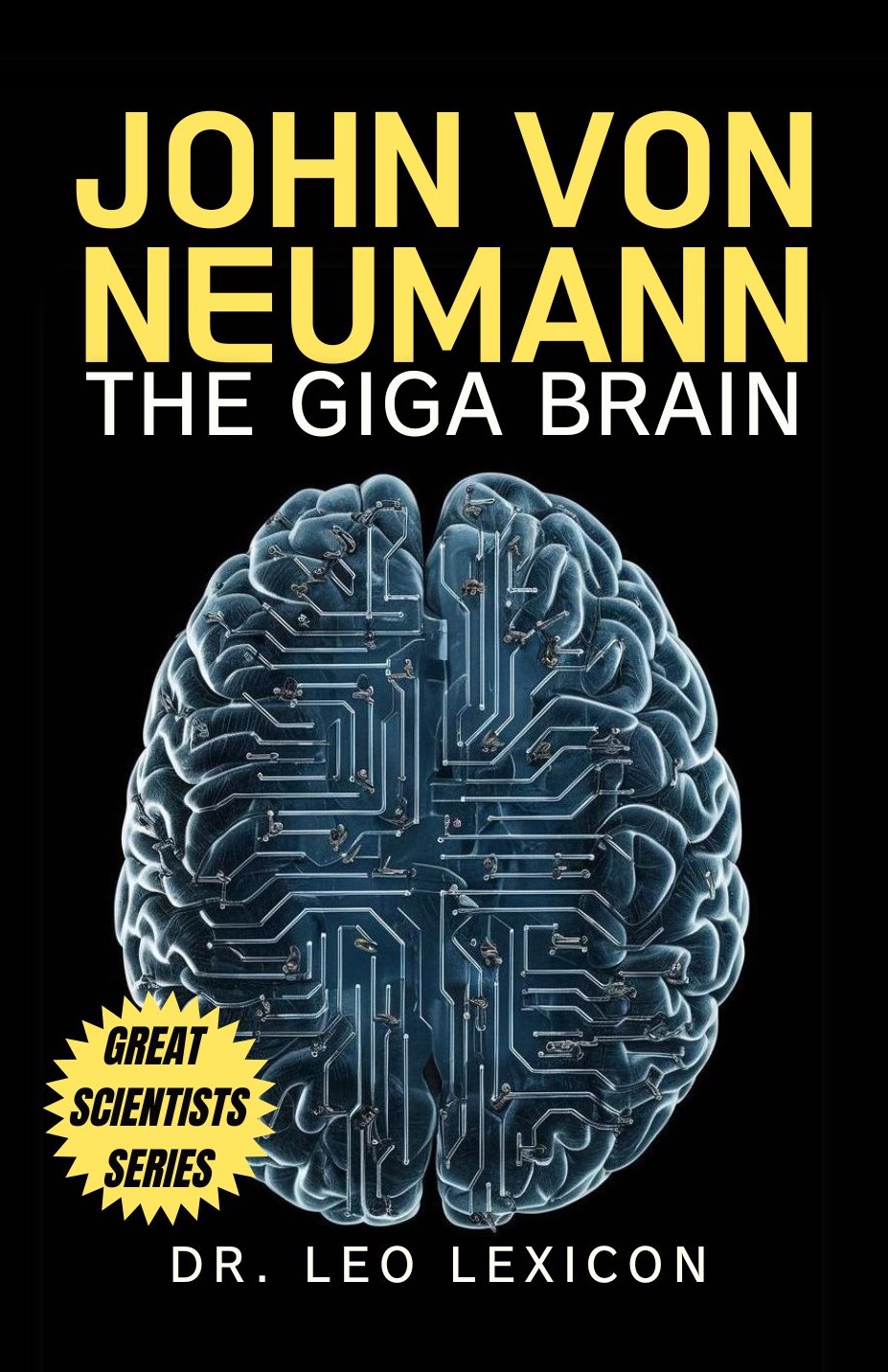
Discover the ideas and influence of one of the most brilliant minds behind computing, game theory, and modern science.
View Paperback
A practical introduction to coding concepts for young learners and beginners.
View Bundle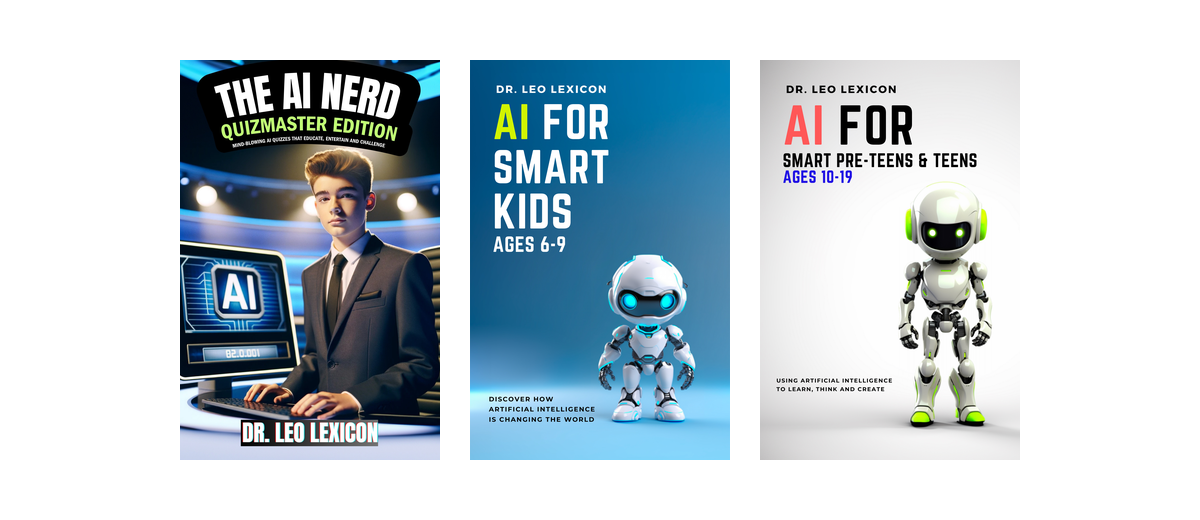
Books that explain artificial intelligence clearly for young and curious readers.
View Bundle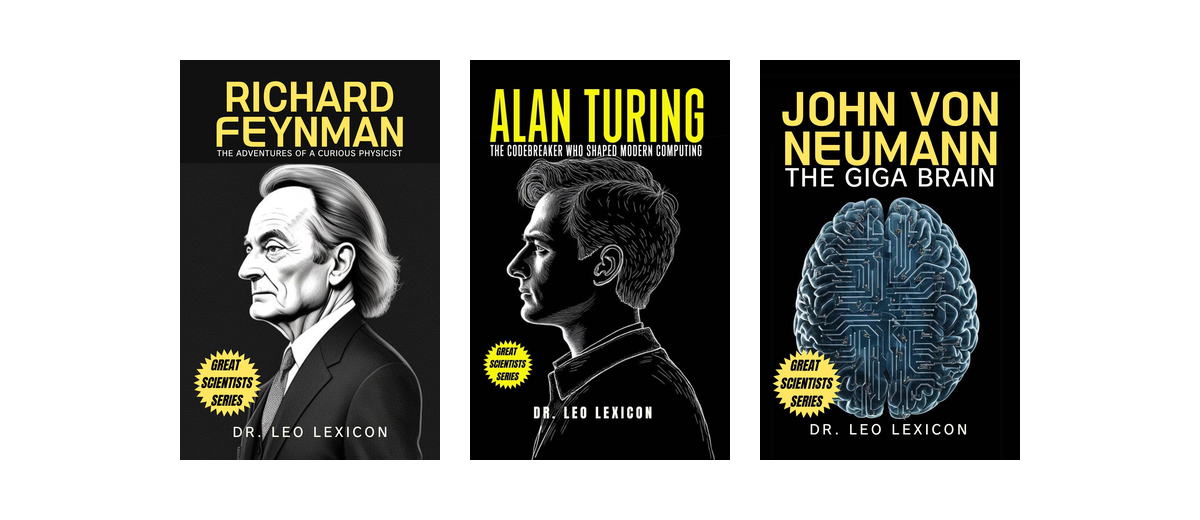
Modern scientific minds who shaped computing and physics.
View Bundle