Entries
56
AI lexicon entries currently assigned to this category.

AI Topic Category
This page maps the AI Foundations, Philosophy and History portion of the Lexicon Labs AI encyclopedia. It brings together the main concepts in this category, the tracks that organize them, and the related books and guides that make the topic easier to study.
Entries
AI lexicon entries currently assigned to this category.
Tracks
Taxonomy tracks that sit inside this category.
Top Entry Types
The most common entry types appearing in this topic cluster.
AI Foundations, Philosophy and History is one of the active taxonomy categories in the Lexicon Labs AI encyclopedia. The current dataset includes 56 entries in this area, which makes it large enough to function as a real discovery surface rather than a placeholder page.
Use the sample entries as a fast orientation layer, then move into the AI encyclopedia preview or the related paperbacks and bundles if you want a longer learning path.
Track in AI Foundations, Philosophy and History.
The AI effect describes the tendency to dismiss AI accomplishments as "not real intelligence" once they are successfully implemented. This constantly shifts the definition of AI to tasks machines cannot yet perform.
The AI boom is a current period characterized by accelerated advancements in artificial intelligence, significant investment, widespread adoption across industries, and heightened public interest in its capabilities and future potential.
An AI bubble is a period of intense speculative investment and inflated valuations in AI companies, often driven by hype rather than sustainable profitability, leading to a potential market correction or crash.
An AI winter is a period of reduced funding and interest in artificial intelligence research, often following exaggerated expectations and the failure of AI systems to meet those promises. This leads to a decline in.
Strong AI, or Artificial General Intelligence (AGI), describes hypothetical AI possessing human-like cognitive abilities. It can understand, learn, and apply intelligence across any task, demonstrating consciousness and self-awareness, unlike narrow AI.
Weak AI, also known as Narrow AI, refers to systems designed to perform specific tasks, simulating intelligent behavior without possessing genuine consciousness, self-awareness, or human-like understanding. It excels at narrow problems.
Computationalism is the philosophical view that the mind and cognitive processes are fundamentally computational. It posits that thinking is a form of information processing, where mental states are algorithms executed by the brain, akin to.
The Physical Symbol System Hypothesis proposes that a system capable of manipulating physical symbols according to rules possesses the necessary and sufficient conditions for intelligent behavior. This forms a core idea in classical AI.
The Chinese room argument is a thought experiment by John Searle challenging strong AI. It posits that manipulating symbols according to rules does not equate to genuine understanding, distinguishing syntax from semantics.
The symbol grounding problem questions how abstract symbols within an AI system acquire meaning by connecting to real-world sensory experiences and physical objects, rather than just being syntactically manipulated.
Combinatorial explosion is the rapid, often exponential, increase in the number of possible states or combinations as a problem's size or complexity grows. This makes exhaustive computation impractical for many AI tasks.
In AI, a search space is the complete set of all possible solutions, states, or actions an algorithm can explore to find an optimal outcome. It defines the entire landscape of possibilities for a given.
AI Hub
This hub connects the main AI learning surfaces on Lexicon Labs into one path: the encyclopedia preview, student-friendly books, themed bundles, and the tools that help readers turn concepts into working understanding.
Open GuidePaperback Hub
This page groups together Lexicon Labs paperback titles that help younger readers understand artificial intelligence, computation, and the people behind modern computing.
Open GuideTurn messy notes into study-ready flashcards and CSV exports for spaced repetition apps.
Open ToolTransform notes into visual diagrams and export them for sharing or studying.
Open ToolCreate citations for papers fast with APA/MLA formatting and copy-ready output.
Open ToolAnalyze clarity in essays, emails, and articles with readability scores and instant issue flags.
Open Tool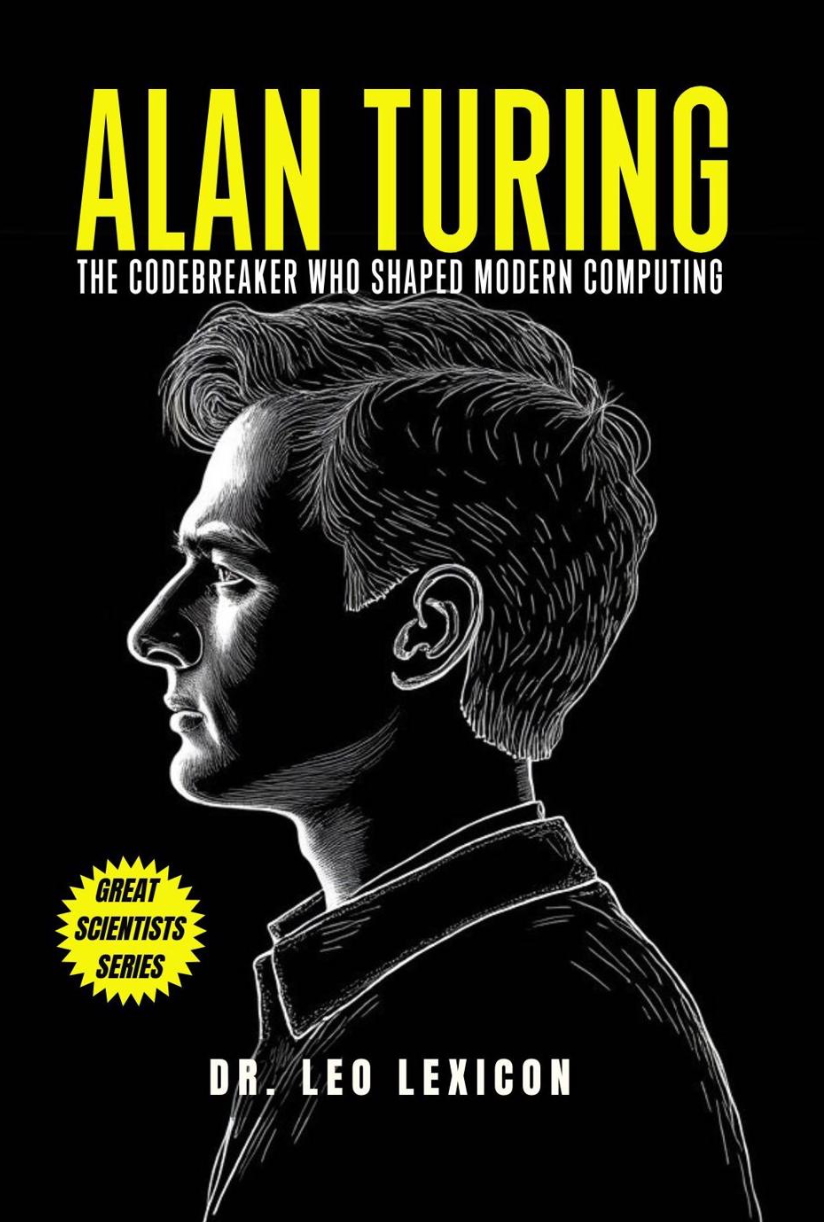
A biography of Alan Turing, the trailblazing mathematician and codebreaker whose ideas shaped modern computing and artificial intelligence.
View Paperback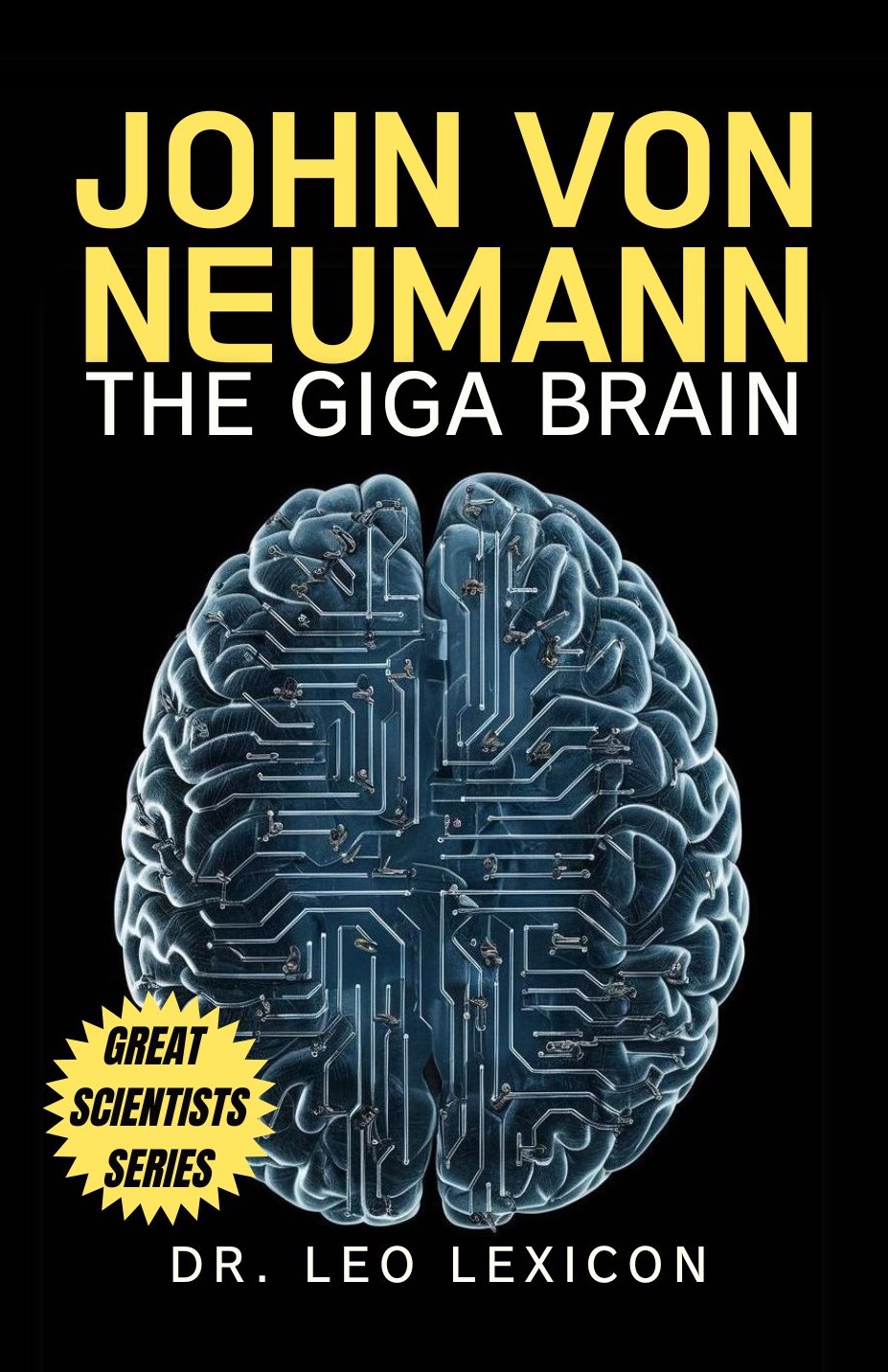
Discover the ideas and influence of one of the most brilliant minds behind computing, game theory, and modern science.
View Paperback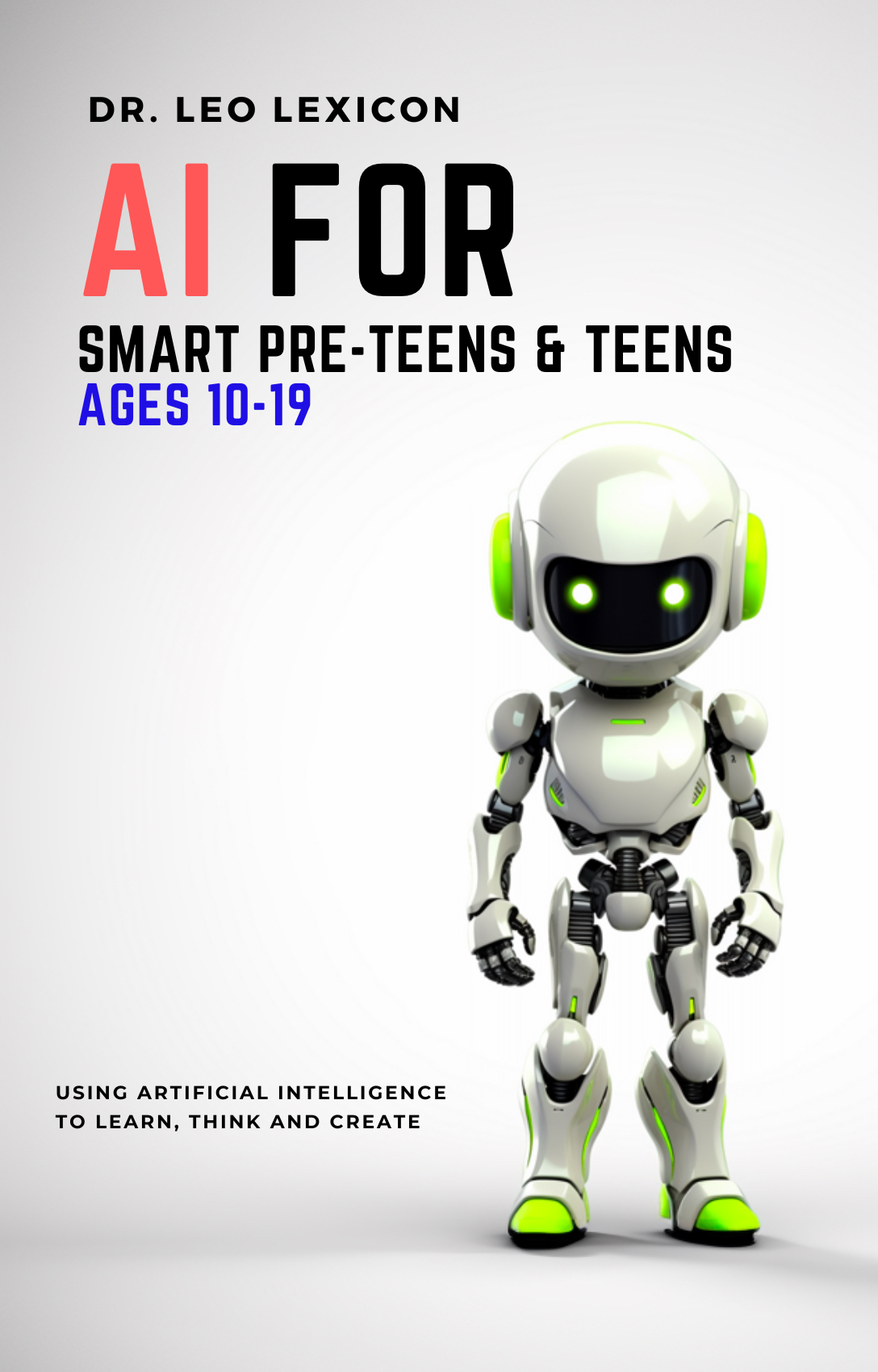
A student-friendly intro to AI concepts, real-world use cases, and practical skills for the next generation.
View Paperback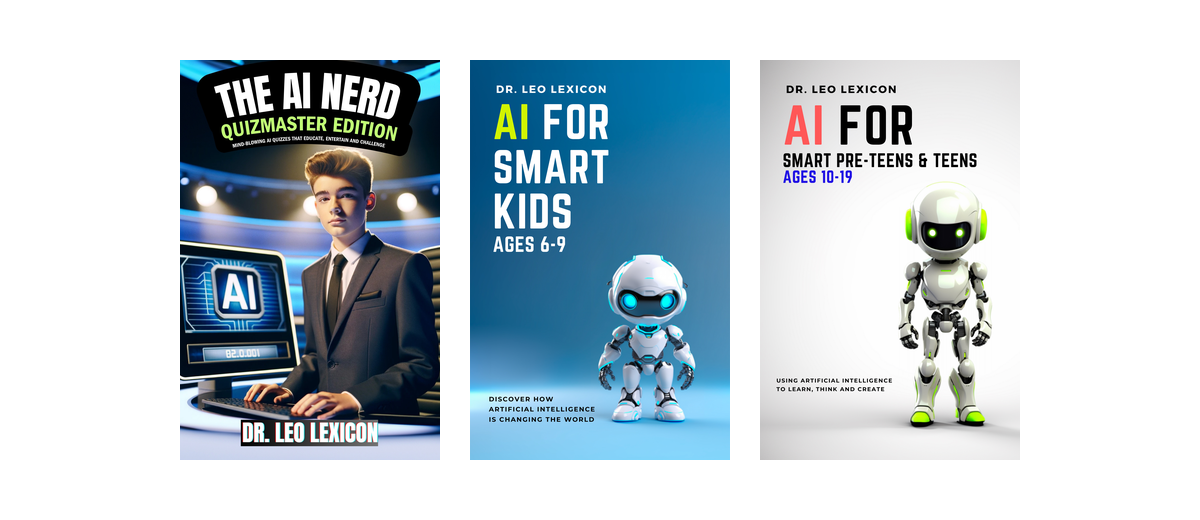
Books that explain artificial intelligence clearly for young and curious readers.
View Bundle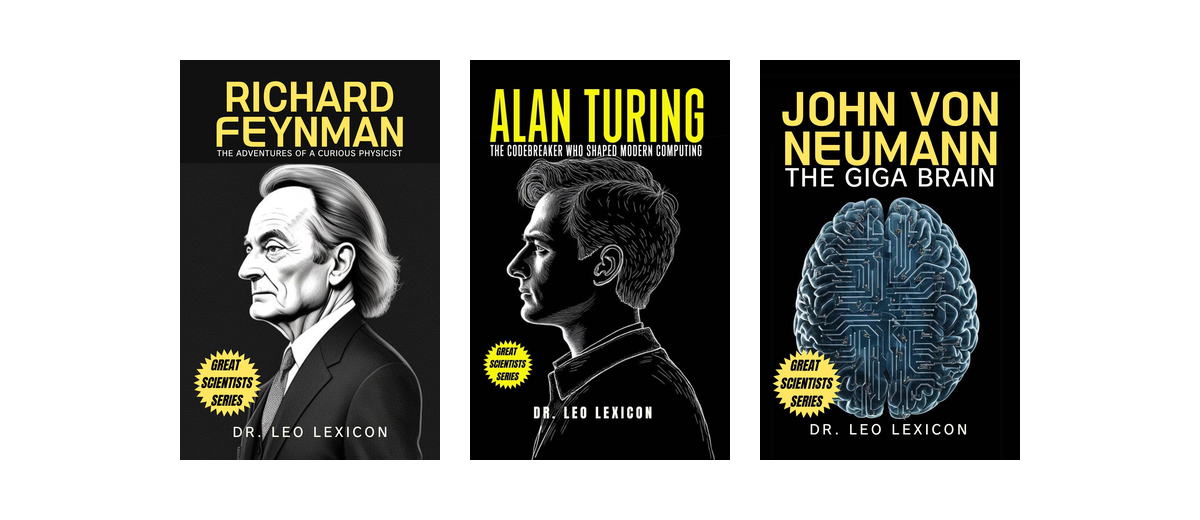
Modern scientific minds who shaped computing and physics.
View Bundle