Entries
150
AI lexicon entries currently assigned to this category.

AI Topic Category
This page maps the AI Benchmarks and Evaluation portion of the Lexicon Labs AI encyclopedia. It brings together the main concepts in this category, the tracks that organize them, and the related books and guides that make the topic easier to study.
Entries
AI lexicon entries currently assigned to this category.
Tracks
Taxonomy tracks that sit inside this category.
Top Entry Types
The most common entry types appearing in this topic cluster.
AI Benchmarks and Evaluation is one of the active taxonomy categories in the Lexicon Labs AI encyclopedia. The current dataset includes 150 entries in this area, which makes it large enough to function as a real discovery surface rather than a placeholder page.
Use the sample entries as a fast orientation layer, then move into the AI encyclopedia preview or the related paperbacks and bundles if you want a longer learning path.
Track in AI Benchmarks and Evaluation.
Track in AI Benchmarks and Evaluation.
Track in AI Benchmarks and Evaluation.
Track in AI Benchmarks and Evaluation.
MMLU-Pro is an advanced benchmark evaluating large language models' general knowledge and reasoning across 57 subjects. It builds on MMLU-Redux and MMLU-Continuation, offering a more robust assessment of AI capabilities.
MMLU-Redux is an advanced benchmark for evaluating large language models' general knowledge and reasoning. It improves upon prior MMLU versions with enhanced question quality and robustness against data contamination, ensuring more accurate AI assessment.
MMLU-Continuation is an AI benchmark designed to evaluate large language models' ability to generate coherent and factually consistent text continuations across a wide range of academic and general knowledge subjects, building upon prior MMLU versions.
HELM (Holistic Evaluation of Language Models) is a comprehensive benchmark developed by Stanford CRFM. It evaluates large language models across diverse scenarios, metrics, and modalities, assessing capabilities like truthfulness, safety, and efficiency for a complete.
Percy Liang is a Stanford professor and co-director of CRFM, known for leading the development of HELM (Holistic Evaluation of Language Models). HELM is a comprehensive benchmark assessing AI model capabilities across diverse scenarios and.
Rishi Bommasani co-led the development of HELM (Holistic Evaluation of Language Models) at Stanford CRFM. HELM is a comprehensive benchmark framework designed to evaluate the capabilities and limitations of large language models across diverse scenarios.
Stanford CRFM (Center for Research on Foundation Models) developed a comprehensive benchmark to evaluate the capabilities and limitations of large language models. It assesses models across diverse tasks, informing AI development.
BIG-Bench (Beyond the Imitation Game Benchmark) is a collaborative suite of diverse tasks designed to evaluate the general capabilities and limitations of large language models, pushing them beyond simple pattern recognition.
Beyond the Imitation Game (BIG-Bench) is a collaborative benchmark suite comprising diverse tasks designed to evaluate the broad capabilities and limitations of large language models, moving beyond simple human-like conversation.
BIG-Bench Lite is a streamlined subset of the comprehensive BIG-Bench benchmark, designed to quickly evaluate the general capabilities of large language models across a diverse range of tasks, making it faster to run and analyze.
BIG-Bench Hard (BBH) is a challenging subset of the BIG-Bench benchmark, assessing advanced reasoning capabilities in large language models. It focuses on tasks where current AI models often struggle, pushing performance boundaries.
SuperGLUE is a more challenging benchmark suite for evaluating the general language understanding capabilities of AI models. It comprises diverse, difficult natural language processing tasks designed to push the boundaries of current AI systems beyond.
AI Hub
This hub connects the main AI learning surfaces on Lexicon Labs into one path: the encyclopedia preview, student-friendly books, themed bundles, and the tools that help readers turn concepts into working understanding.
Open GuidePaperback Hub
This page groups together Lexicon Labs paperback titles that help younger readers understand artificial intelligence, computation, and the people behind modern computing.
Open GuideTurn messy notes into study-ready flashcards and CSV exports for spaced repetition apps.
Open ToolTransform notes into visual diagrams and export them for sharing or studying.
Open ToolCreate citations for papers fast with APA/MLA formatting and copy-ready output.
Open ToolAnalyze clarity in essays, emails, and articles with readability scores and instant issue flags.
Open Tool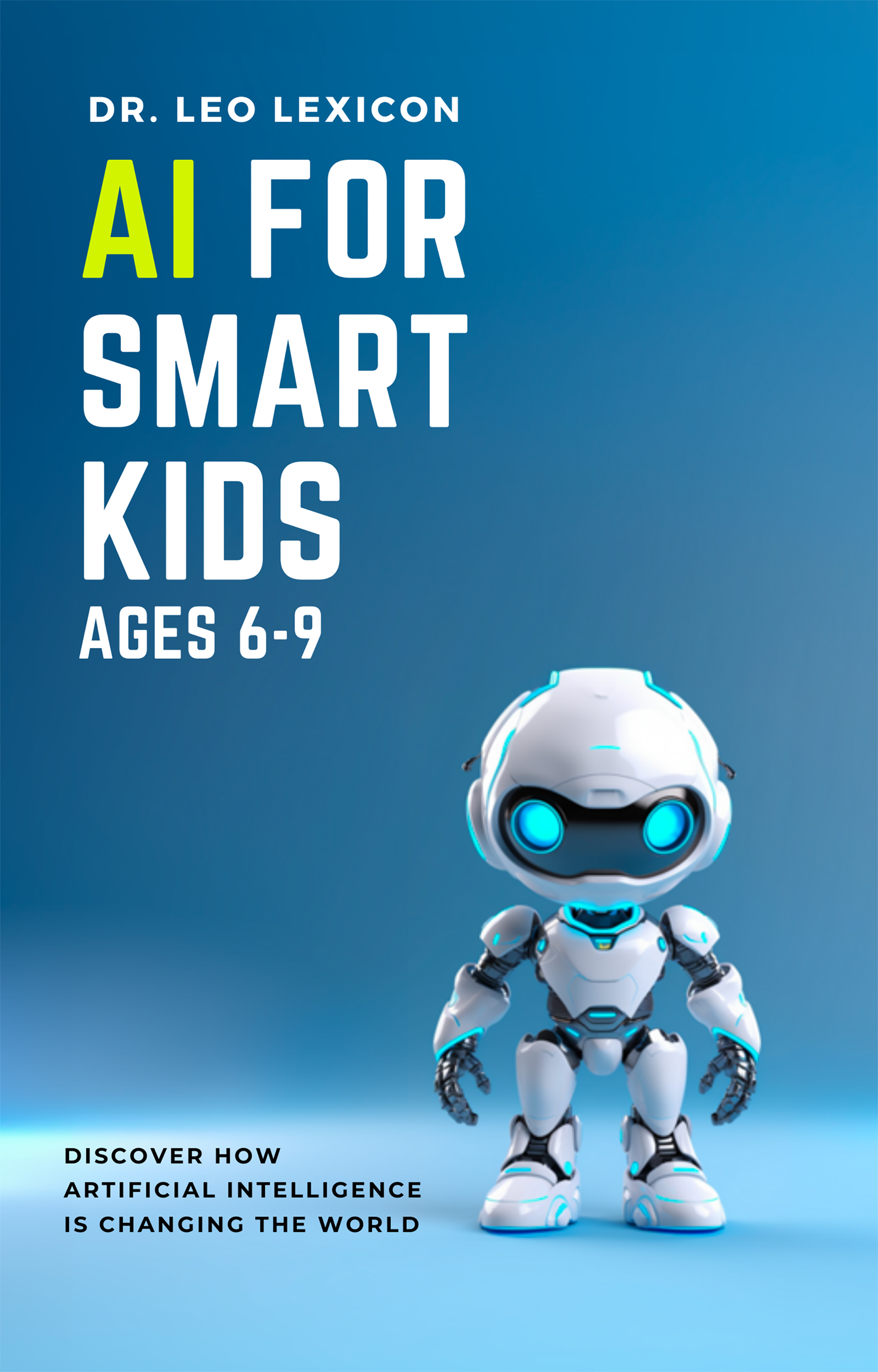
A clear and engaging guide to artificial intelligence for younger readers who are curious about how smart systems work.
View Paperback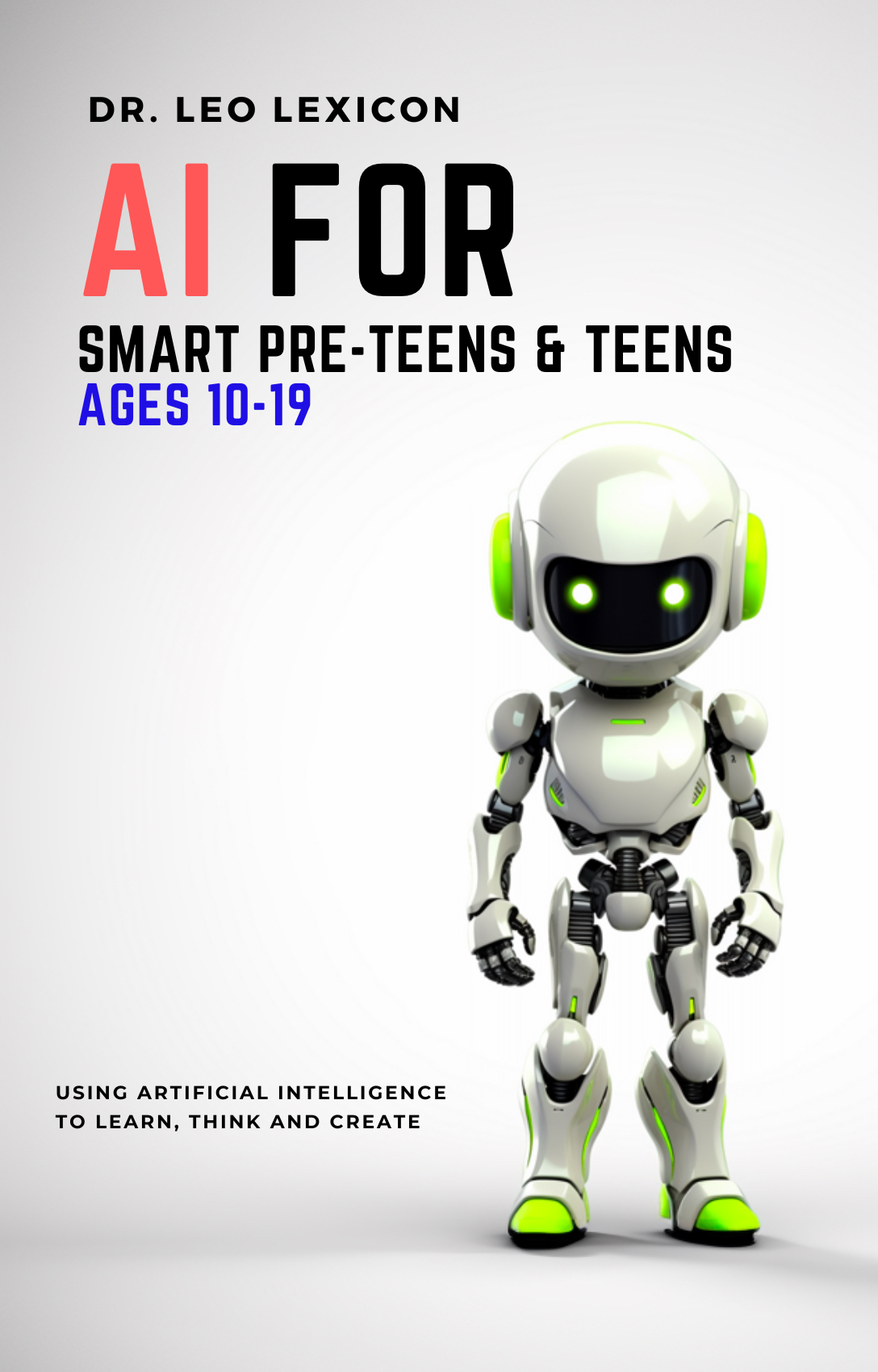
A student-friendly intro to AI concepts, real-world use cases, and practical skills for the next generation.
View Paperback
A biography of Alan Turing, the trailblazing mathematician and codebreaker whose ideas shaped modern computing and artificial intelligence.
View Paperback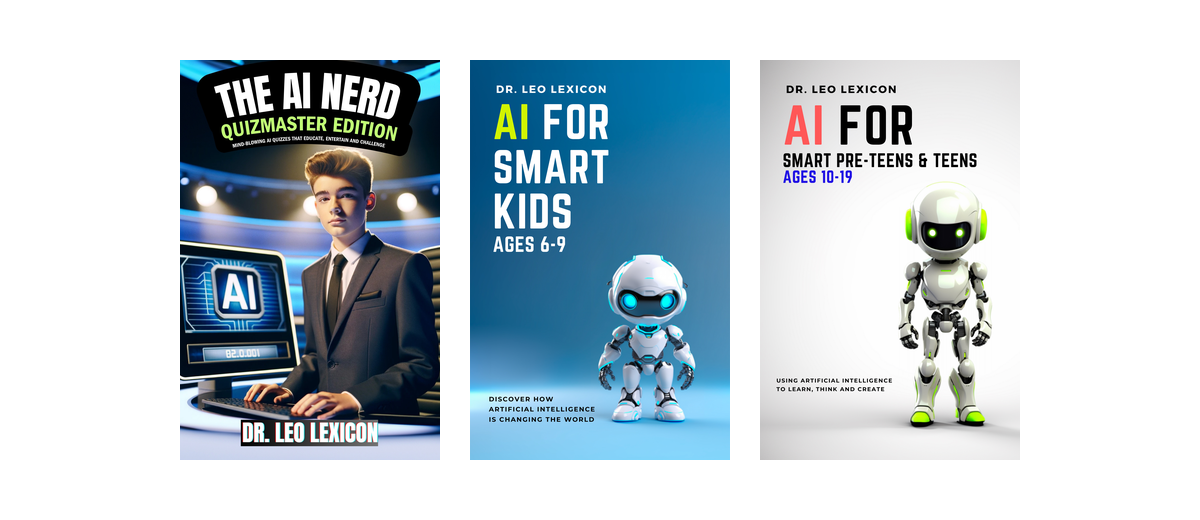
Books that explain artificial intelligence clearly for young and curious readers.
View Bundle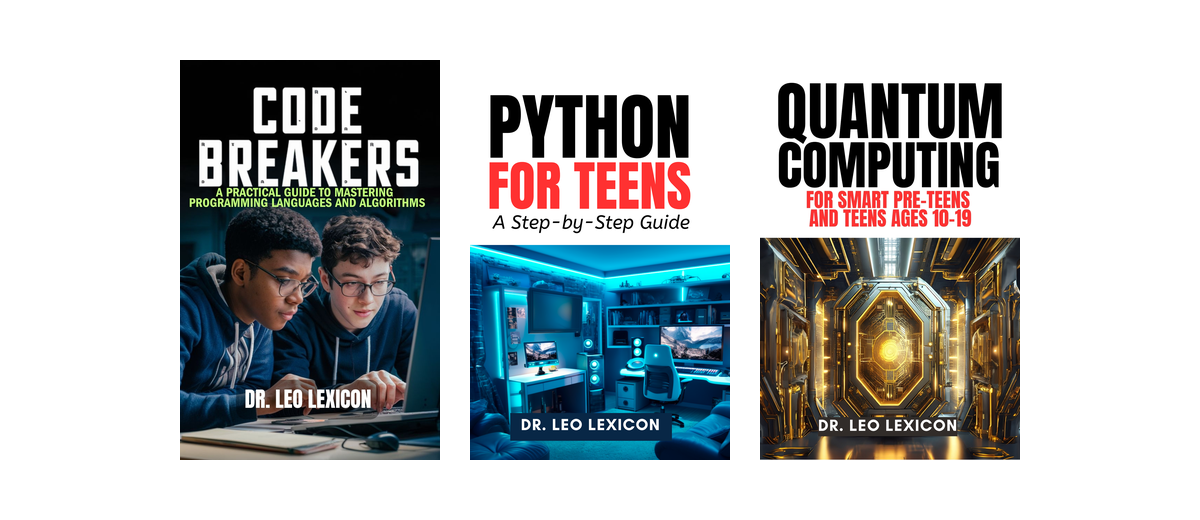
A practical introduction to coding concepts for young learners and beginners.
View Bundle